5 High-Impact Energy Efficiency Tips for Large Facilities

Evolution Maintenance

5 Energy-Saving Tips for Large Buildings


Managing energy use in large buildings is a constant challenge. Whether you oversee an office complex, healthcare facility, industrial site, or multi-tenant property, energy costs can quickly become one of your largest operating expenses. The good news is that smart efficiency upgrades and operational changes can deliver meaningful savings without sacrificing comfort or performance.


Here are five practical energy-saving tips that make a real impact in large commercial buildings.


1. Optimize HVAC Scheduling and Controls


Heating and cooling systems account for a significant portion of total energy use in large buildings. One of the simplest ways to reduce waste is by tightening HVAC schedules.


Ensure systems are not running during unoccupied hours, including nights, weekends, and holidays. Building automation systems can help align temperature settings with actual usage patterns rather than fixed schedules. Even small adjustments, such as raising cooling setpoints by a few degrees in summer or lowering heating setpoints in winter, can lead to noticeable savings over time.


Regularly review schedules as tenant needs or building usage changes.


2. Upgrade to Energy-Efficient Lighting


Lighting is another major energy consumer, especially in buildings with long operating hours. Replacing outdated fluorescent or incandescent fixtures with LED lighting can cut lighting energy use dramatically.


LEDs last longer, require less maintenance, and produce less heat, which can also reduce cooling demands. Pair lighting upgrades with occupancy sensors, daylight harvesting controls, and timers in hallways, conference rooms, restrooms, and storage areas. These systems ensure lights are only on when needed, eliminating unnecessary usage.


3. Improve Building Envelope Performance


The building envelope plays a critical role in energy efficiency. Poor insulation, aging windows, and air leaks allow conditioned air to escape, forcing HVAC systems to work harder.


Conduct an energy audit to identify problem areas such as gaps around doors, windows, and roof penetrations. Sealing air leaks, upgrading insulation, and installing high-performance windows can significantly reduce heating and cooling losses. While envelope improvements may require upfront investment, they often deliver long-term energy savings and improved occupant comfort.


4. Monitor Energy Use with Data and Analytics


You cannot manage what you do not measure. Installing submetering and energy monitoring systems allows building managers to track usage by system, floor, or tenant.


Energy data helps identify inefficiencies, abnormal spikes in usage, and opportunities for improvement. Advanced analytics can even flag equipment issues before they become costly failures. Over time, consistent monitoring supports smarter decision-making, better budgeting, and more effective energy reduction strategies.


5. Maintain Equipment Proactively


Poorly maintained equipment consumes more energy and fails more often. Regular maintenance of HVAC systems, boilers, chillers, pumps, and electrical equipment keeps everything operating at peak efficiency.


Simple actions such as cleaning coils, replacing filters, calibrating sensors, and checking belts can improve performance and reduce energy waste. Preventive maintenance also extends equipment lifespan and minimizes downtime, delivering both energy and operational savings.


Making Energy Efficiency Work for Your Building


Energy efficiency in large buildings is not about a single upgrade or quick fix. It is about combining smart technology, proactive maintenance, and data-driven decision-making. By implementing these five strategies, building owners and facility managers can lower operating costs, reduce environmental impact, and create more comfortable spaces for occupants.


If you want to take energy savings even further, partner with an experienced energy management or facilities maintenance team that can evaluate your building, identify inefficiencies, and implement solutions tailored to your specific needs.


Contact us today to schedule a professional HVAC inspection and start turning long-term efficiency into real, measurable savings.

EVOLUTION MAINTENANCE COMMERCIAL HVAC BLOG
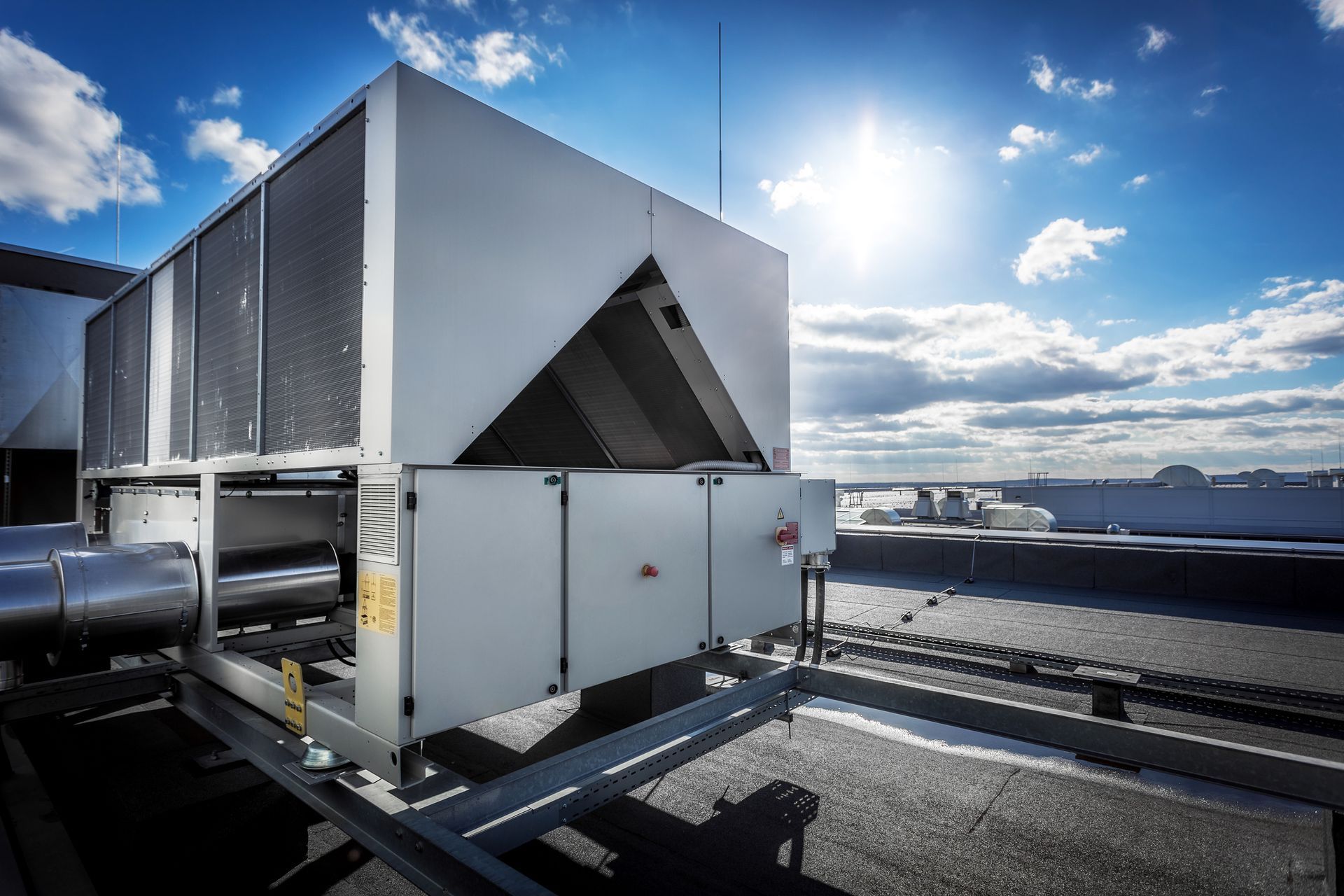
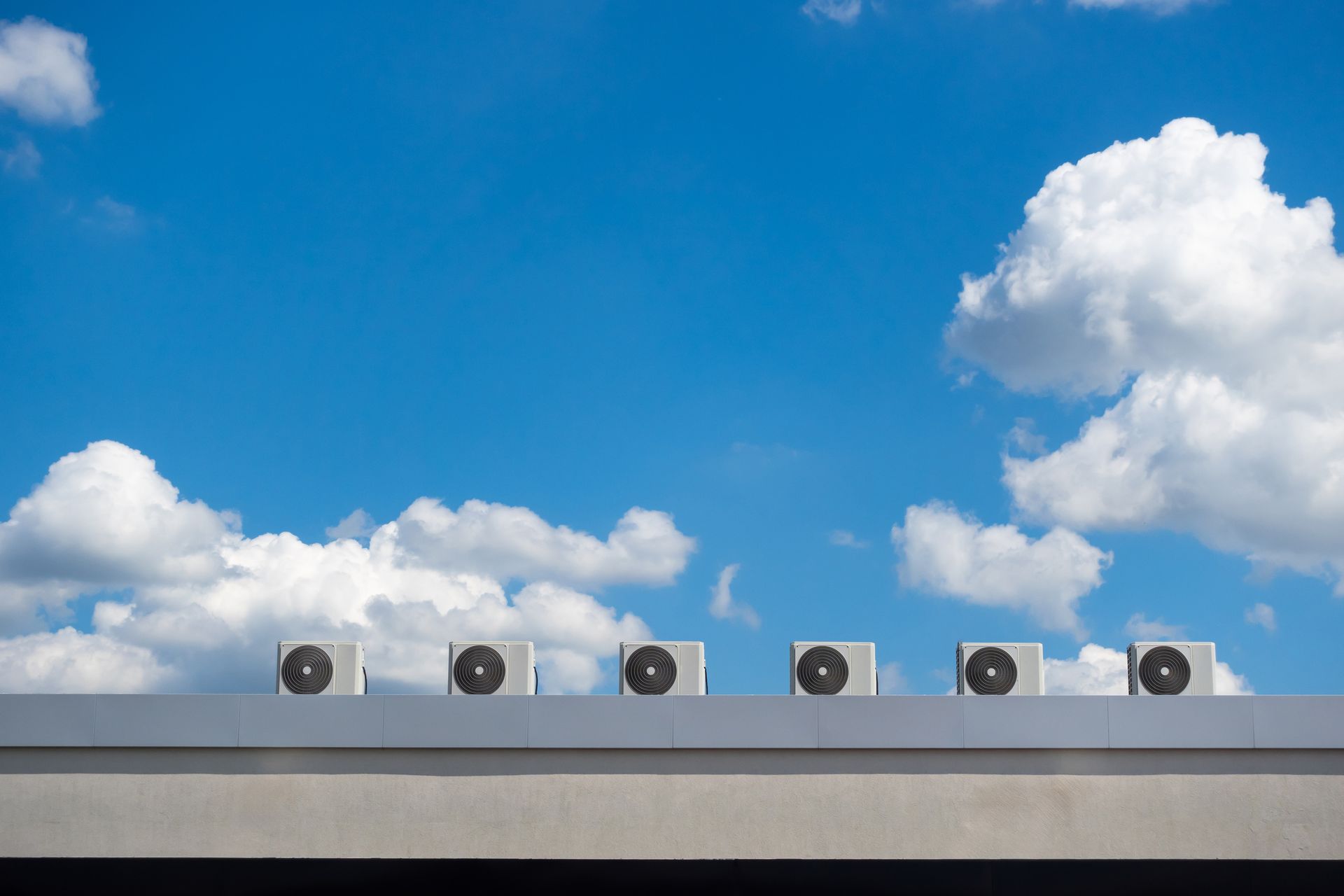
A row of six HVAC units sit atop a flat roof against a bright blue sky filled with white clouds.
April 7, 2026
Prepare your commercial HVAC system for summer with April maintenance. Improve efficiency, avoid breakdowns, and reduce costly repairs before peak season.
Nashville skyline at sunset, reflected in the Cumberland River. Buildings are lit with golden light and pink clouds.
March 6, 2026
Spring HVAC maintenance helps commercial buildings improve efficiency, prevent breakdowns, and prepare systems for warmer weather and seasonal demand.
February 11, 2026
Warmer days are coming. Make sure your commercial HVAC system is ready to perform. efficient, reliable, and cost-effective. As winter fades and temperatures begin to rise, your commercial HVAC system is about to work in a whole new way. After months of heating demand, spring brings fluctuating temperatures, higher humidity, and increased cooling needs. If your system is not properly prepared, you could face higher energy bills, reduced comfort, and unexpected breakdowns right when your business needs reliability most. Preparing your commercial HVAC system for spring is not just routine maintenance. It is a proactive strategy to protect your equipment, control operating costs, and create a comfortable environment for employees and customers. Here is how to get your system ready. 1. Schedule a Comprehensive System Inspection A professional inspection is the foundation of seasonal preparation. During winter, HVAC systems endure heavy use. Components can loosen, wear down, or accumulate debris. A spring inspection should include: Checking refrigerant levels and inspecting for leaks Testing thermostat calibration and controls Inspecting electrical connections and components Examining belts, motors, and moving parts for wear Verifying proper airflow throughout the system Identifying small issues early prevents them from turning into costly repairs during peak cooling season. 2. Replace or Clean Air Filters Air filters often become clogged during winter months due to continuous operation. Dirty filters restrict airflow, reduce efficiency, and strain your system. Replacing or cleaning filters: Improves indoor air quality Enhances system performance Reduces energy consumption Extends equipment lifespan For commercial properties, this simple step can significantly impact comfort and operating costs. 3. Clean Coils and Condenser Units Outdoor condenser units accumulate dirt, leaves, and debris throughout fall and winter. Evaporator and condenser coils can also collect buildup that reduces heat transfer efficiency. Cleaning these components allows your system to cool more effectively and prevents overheating. Clear space around outdoor units to ensure proper airflow and optimal performance. 4. Test Cooling Performance Early Do not wait for the first hot day to discover a problem. Run your cooling system in advance to ensure it is operating properly. Listen for unusual sounds, monitor temperature consistency, and verify that all zones respond correctly. Testing early gives you time to address issues before demand increases and service schedules fill up. 5. Evaluate Energy Efficiency Spring is an ideal time to review your building's energy performance. Consider: Reviewing past utility bills for unusual increases Inspecting ductwork for leaks Confirming programmable thermostats are set correctly Assessing whether older equipment may need upgrading Improving efficiency now can lower your cooling costs all summer long. 6. Check Drain Lines and Humidity Controls As humidity rises in spring, proper drainage becomes critical. Clogged condensate drain lines can lead to water damage, mold growth, and system shutdowns. Ensure drain lines are clear and humidity controls are functioning properly to maintain a healthy indoor environment. Why Spring HVAC Preparation Matters Unexpected HVAC downtime can disrupt operations, impact employee productivity, and create an uncomfortable experience for customers. Preventive maintenance protects your investment and ensures your system performs when you need it most. A well-maintained commercial HVAC system: Operates more efficiently Lasts longer Breaks down less frequently Maintains consistent indoor comfort Spring preparation is not just about maintenance. It is about protecting your business. Ready to Get Your Commercial HVAC System Spring-Ready? Do not wait until rising temperatures expose hidden issues. Schedule your professional spring HVAC inspection today and ensure your system is prepared for the season ahead. Contact our team now to book your commercial HVAC spring maintenance service and keep your business comfortable, efficient, and running without interruption. Contact us today to schedule a professional HVAC inspection and start turning long-term efficiency into real, measurable savings.
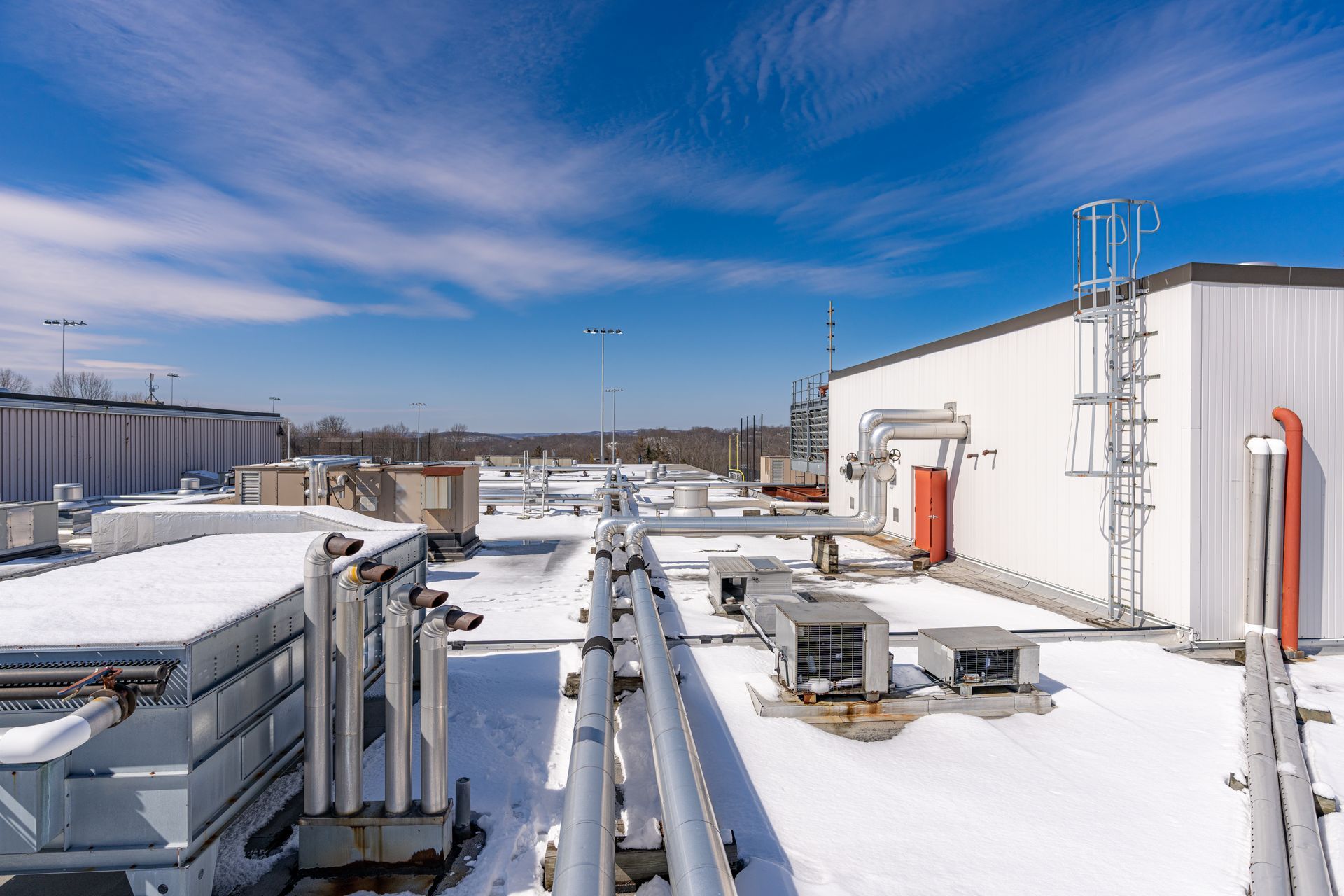
Rooftop with snow, equipment, and a white building against a blue sky with clouds.
January 15, 2026
Prepare your commercial heating system for extreme cold with inspections, maintenance tips, and prevention strategies to avoid breakdowns and costly downtime.
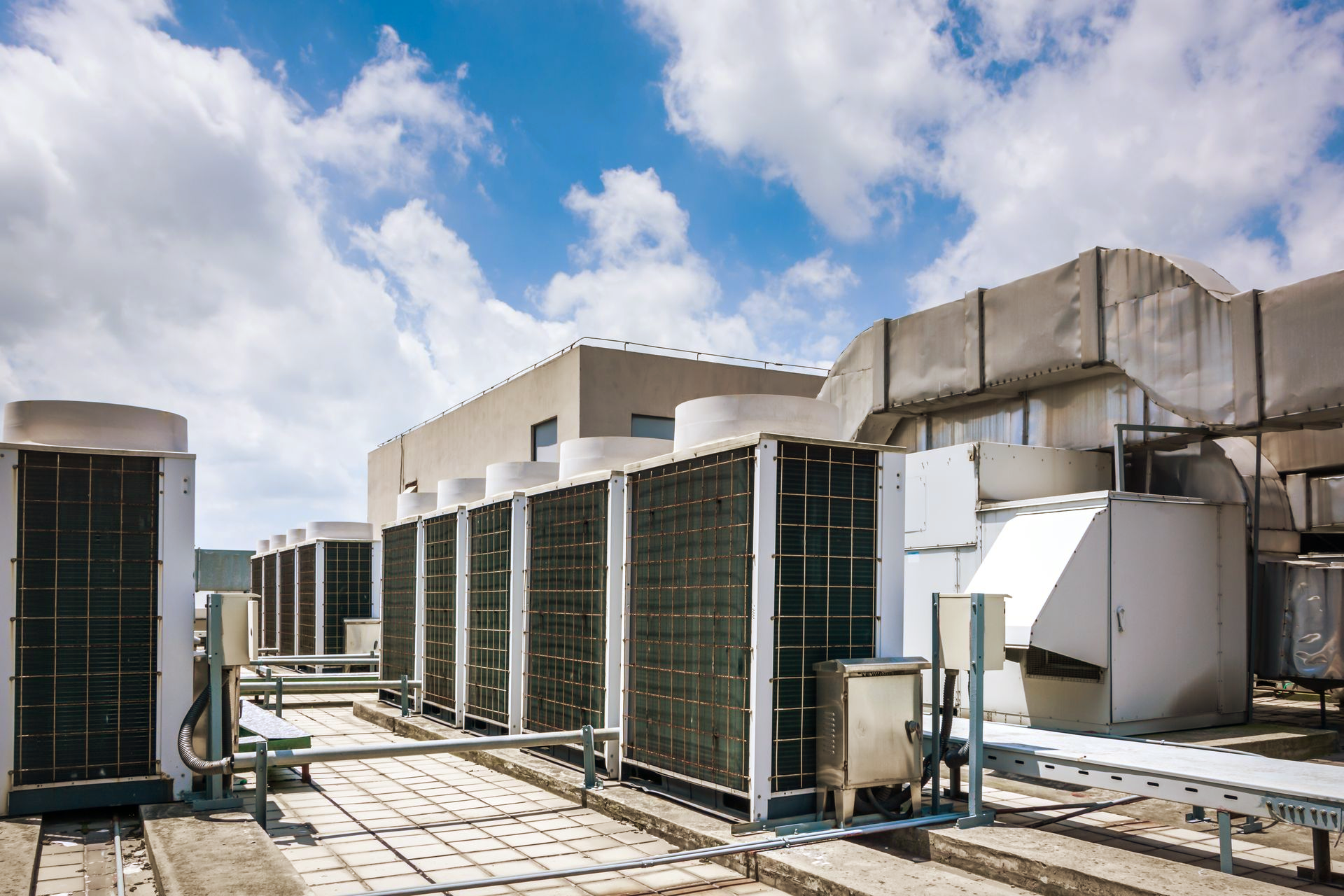
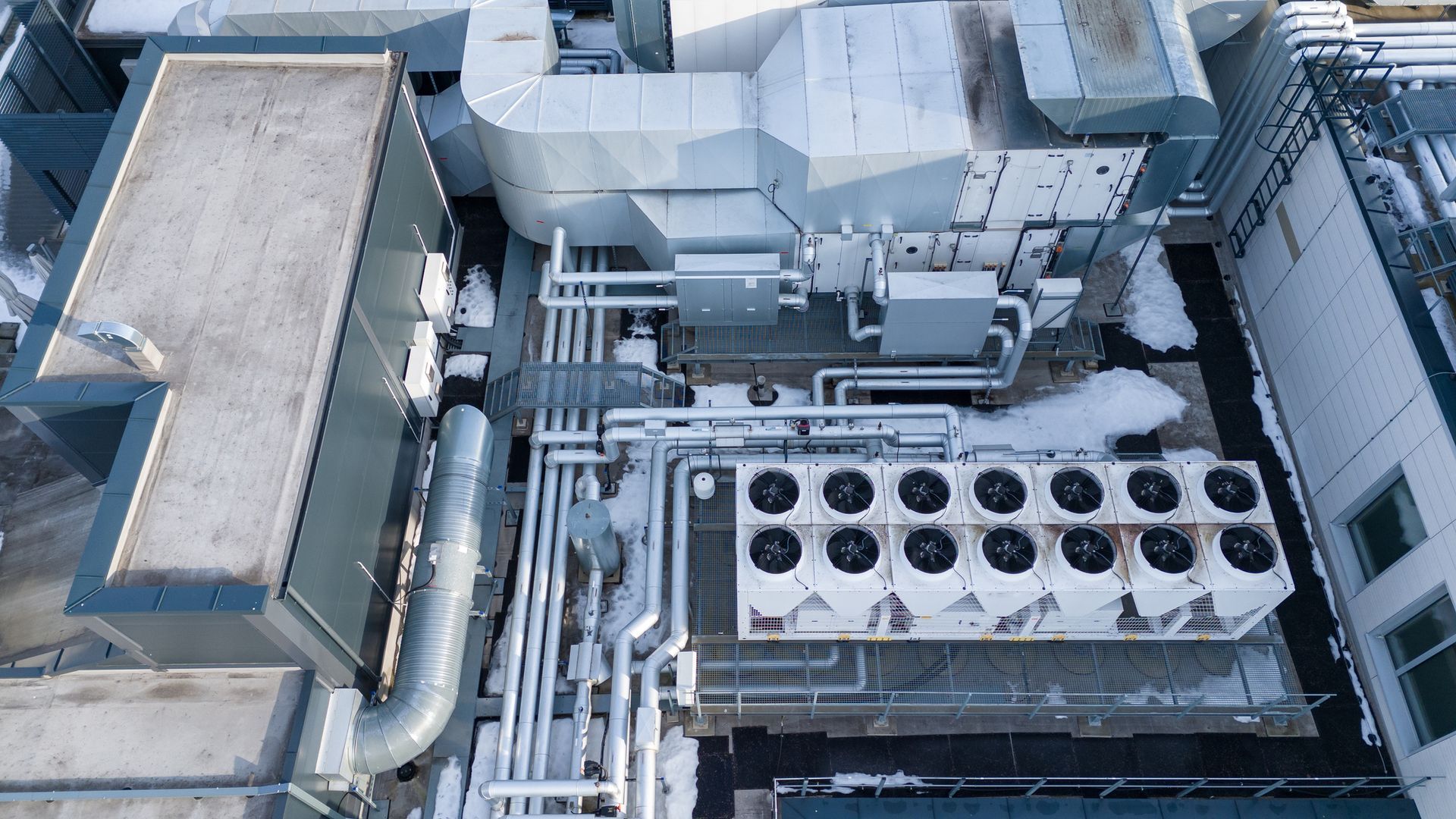
Rooftop HVAC equipment on a commercial building; includes ductwork, air handlers, and cooling units. Snow present.
November 11, 2025
Keep your commercial heating system efficient with expert maintenance tips that cut energy costs, prevent breakdowns, and extend equipment life.
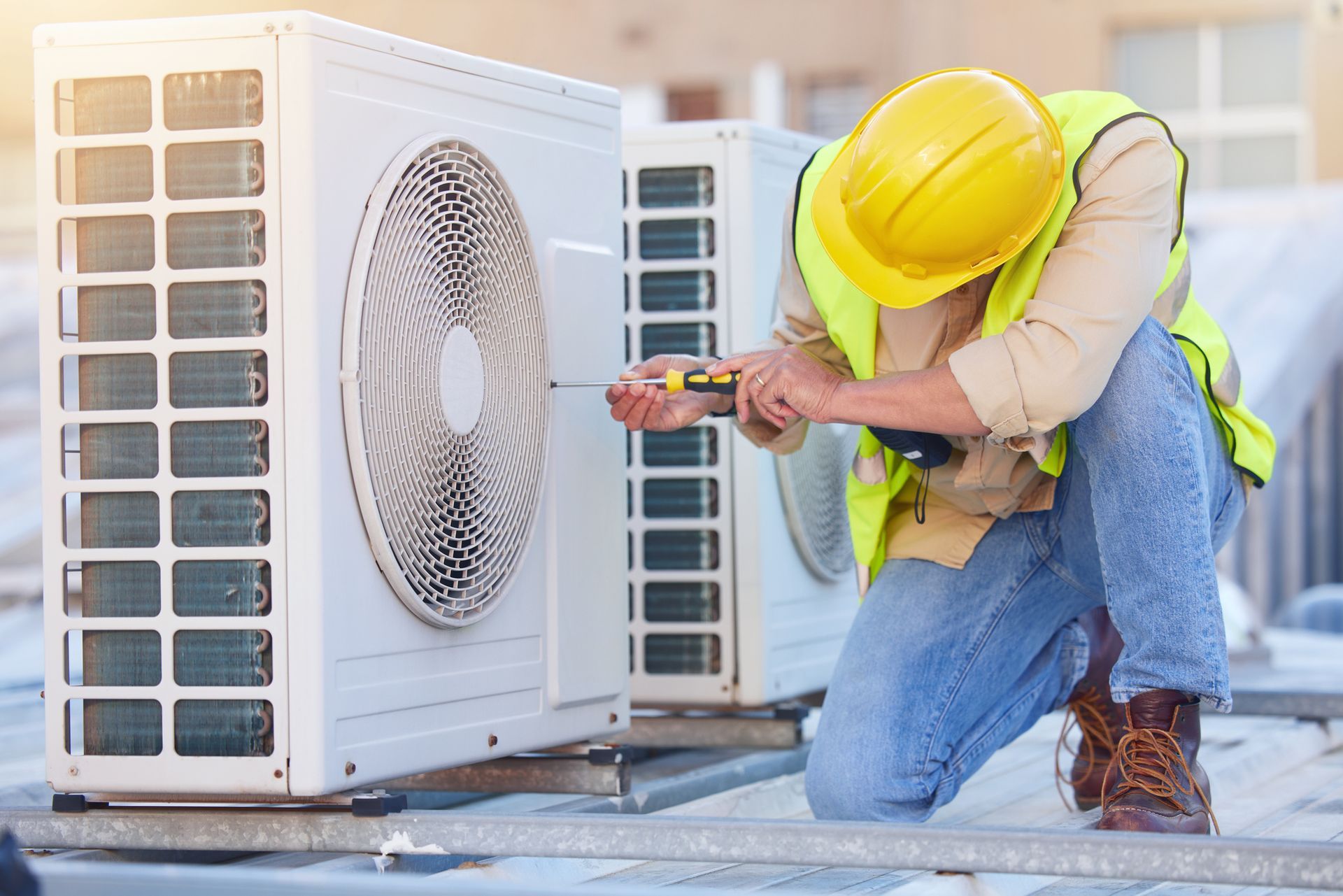
HVAC technician in a yellow helmet and vest kneels to work on an air conditioning unit outdoors.
October 9, 2025
Discover when to repair vs replace your commercial heating system. Get expert HVAC guidance, reduce energy costs, and extend equipment life with Evolution Maintenance.
Reflective glass building, blue sky, trees and patchy snow on the ground.
September 8, 2025
As the seasons change, facility managers and business owners face new challenges in keeping their buildings safe, comfortable, and energy-efficient.
checklist
August 8, 2025
Wrap up the season with this end-of-summer HVAC checklist for business owners. Boost system efficiency, reduce costs, and get ready for cooler weather with expert tips.
commercial hvac system in summer
July 11, 2025
Discover practical tips to keep your commercial HVAC system efficient during peak summer heat. Lower energy costs, prevent breakdowns, and extend system life.
A row of air conditioners on the roof of a building with a blue sky and clouds in the background.
June 9, 2025
How to prepare your commercial HVAC system for summer!