Extreme Cold Ahead? How to Prepare Your Commercial Heating System for Winter

Evolution Maintenance

How to Prepare Your Commercial Heating System for Extremely Cold Weather


When extreme cold weather hits, a reliable commercial heating system is not just a comfort issue - it is critical to safety, productivity, and business continuity. Sudden system failures during freezing temperatures can lead to costly downtime, damaged equipment, and even frozen pipes. Preparing your heating system before temperatures drop is one of the smartest preventative steps a facility manager or business owner can take.


Below are practical steps to help ensure your commercial heating system performs when you need it most.


Schedule a Professional System Inspection


The most important step in preparing for extreme cold is scheduling a comprehensive inspection with a licensed HVAC professional. Trained technicians can identify worn components, failing parts, airflow restrictions, and efficiency issues that may not be noticeable during normal operation. Addressing these problems early helps prevent emergency breakdowns when demand is highest.


A proper inspection should include burners, heat exchangers, ignition systems, electrical connections, and all safety controls.


Replace Filters and Clean System Components


Dirty air filters restrict airflow and force your heating system to work harder to maintain indoor temperatures. This increases energy consumption and places added stress on critical components. Replace filters on a regular schedule and ensure vents, coils, and ductwork are clean and unobstructed.


Clean systems operate more efficiently and provide more consistent heat during periods of extreme cold.


Test Thermostats and Control Systems


Confirm that all thermostats, sensors, and control systems are properly calibrated and functioning as intended. Faulty readings can cause uneven heating, short cycling, or excessive run times. If your building uses zoning or automation systems, test each zone to ensure it responds correctly.


This is also an ideal time to review setback schedules and override settings for holidays or severe weather conditions.


Check Fuel Supply and Backup Power


For systems that rely on natural gas, oil, or propane, verify that fuel supplies are sufficient for extended cold weather. Oil and propane deliveries should be scheduled in advance, as winter storms can delay access.


If your facility uses backup generators, test them before winter arrives. Heating systems are often among the most critical loads during power outages.


Inspect Insulation and Building Sealing


Even a well-maintained heating system will struggle if heat is escaping the building. Inspect insulation around mechanical rooms, exposed piping, and ductwork. Seal gaps around doors, windows, and loading docks to reduce heat loss and drafts.


Exposed pipes should be insulated or protected with heat tracing to minimize the risk of freezing.


Monitor System Performance During Cold Weather


Once temperatures drop, monitor system performance closely. Watch for uneven heating, unusual noises, or unexpected increases in energy usage. These can be early indicators of developing issues that should be addressed promptly.


Encourage occupants and staff to report comfort problems early instead of waiting for a complete system failure.


Plan Ahead for Emergency Service


Even with proper preparation, extreme cold can push heating systems to their limits. Establish a relationship with a trusted commercial HVAC provider before an emergency occurs. Having a service plan or priority agreement in place can significantly reduce downtime and disruption.


Preparing your commercial heating system for extreme cold weather is an investment in reliability, safety, and long-term cost control. Routine maintenance, proactive inspections, and building efficiency improvements help ensure dependable performance during the harshest winter conditions.


If you need assistance preparing your system or scheduling a winter inspection, partnering with an experienced commercial HVAC professional can provide peace of mind and help keep your facility warm when it matters most.


Contact us today to schedule a professional HVAC inspection and start turning long-term efficiency into real, measurable savings.


EVOLUTION MAINTENANCE COMMERCIAL HVAC BLOG
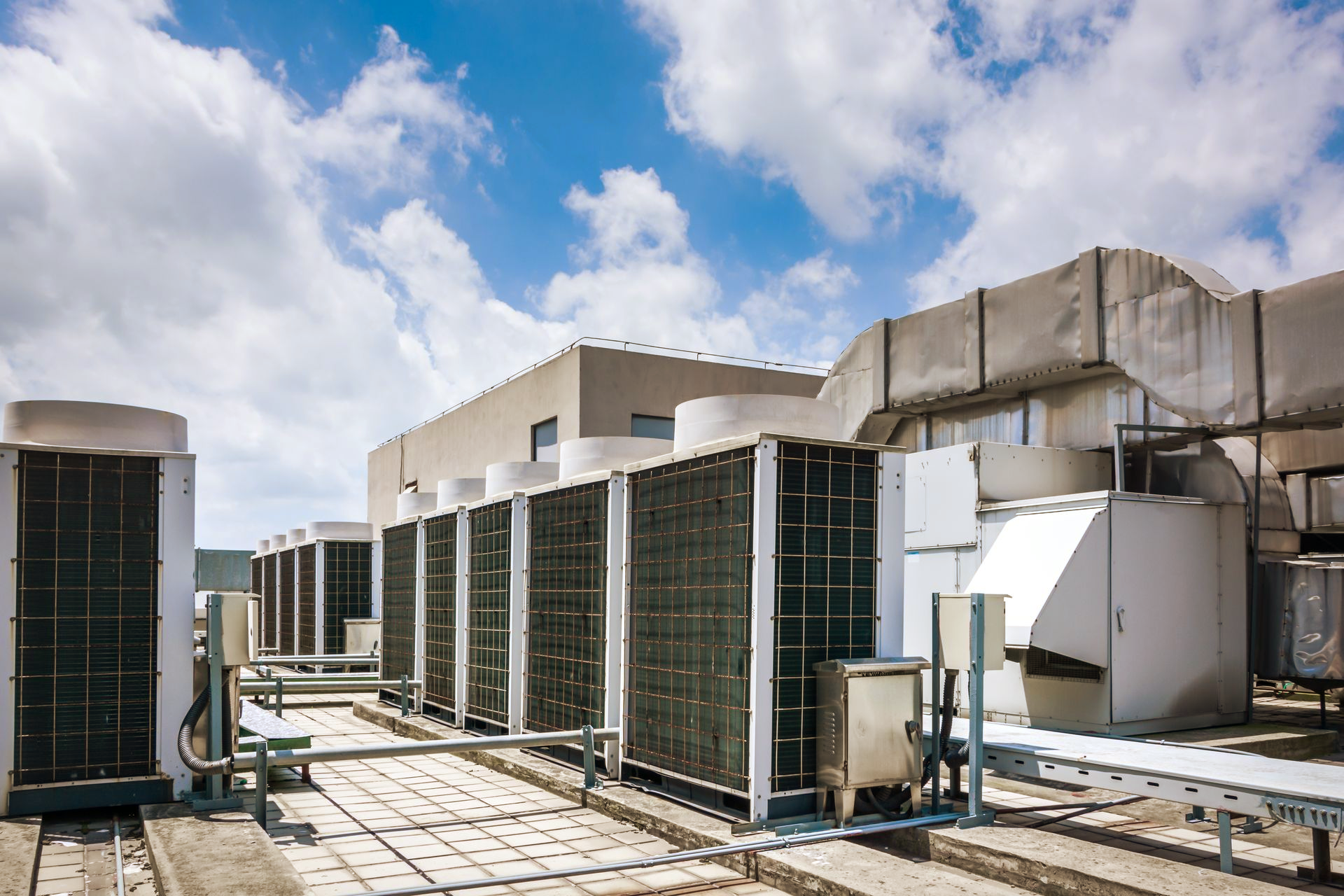
A row of six HVAC units sit atop a flat roof against a bright blue sky filled with white clouds.
April 7, 2026
Prepare your commercial HVAC system for summer with April maintenance. Improve efficiency, avoid breakdowns, and reduce costly repairs before peak season.
Nashville skyline at sunset, reflected in the Cumberland River. Buildings are lit with golden light and pink clouds.
March 6, 2026
Spring HVAC maintenance helps commercial buildings improve efficiency, prevent breakdowns, and prepare systems for warmer weather and seasonal demand.
February 11, 2026
Warmer days are coming. Make sure your commercial HVAC system is ready to perform. efficient, reliable, and cost-effective. As winter fades and temperatures begin to rise, your commercial HVAC system is about to work in a whole new way. After months of heating demand, spring brings fluctuating temperatures, higher humidity, and increased cooling needs. If your system is not properly prepared, you could face higher energy bills, reduced comfort, and unexpected breakdowns right when your business needs reliability most. Preparing your commercial HVAC system for spring is not just routine maintenance. It is a proactive strategy to protect your equipment, control operating costs, and create a comfortable environment for employees and customers. Here is how to get your system ready. 1. Schedule a Comprehensive System Inspection A professional inspection is the foundation of seasonal preparation. During winter, HVAC systems endure heavy use. Components can loosen, wear down, or accumulate debris. A spring inspection should include: Checking refrigerant levels and inspecting for leaks Testing thermostat calibration and controls Inspecting electrical connections and components Examining belts, motors, and moving parts for wear Verifying proper airflow throughout the system Identifying small issues early prevents them from turning into costly repairs during peak cooling season. 2. Replace or Clean Air Filters Air filters often become clogged during winter months due to continuous operation. Dirty filters restrict airflow, reduce efficiency, and strain your system. Replacing or cleaning filters: Improves indoor air quality Enhances system performance Reduces energy consumption Extends equipment lifespan For commercial properties, this simple step can significantly impact comfort and operating costs. 3. Clean Coils and Condenser Units Outdoor condenser units accumulate dirt, leaves, and debris throughout fall and winter. Evaporator and condenser coils can also collect buildup that reduces heat transfer efficiency. Cleaning these components allows your system to cool more effectively and prevents overheating. Clear space around outdoor units to ensure proper airflow and optimal performance. 4. Test Cooling Performance Early Do not wait for the first hot day to discover a problem. Run your cooling system in advance to ensure it is operating properly. Listen for unusual sounds, monitor temperature consistency, and verify that all zones respond correctly. Testing early gives you time to address issues before demand increases and service schedules fill up. 5. Evaluate Energy Efficiency Spring is an ideal time to review your building's energy performance. Consider: Reviewing past utility bills for unusual increases Inspecting ductwork for leaks Confirming programmable thermostats are set correctly Assessing whether older equipment may need upgrading Improving efficiency now can lower your cooling costs all summer long. 6. Check Drain Lines and Humidity Controls As humidity rises in spring, proper drainage becomes critical. Clogged condensate drain lines can lead to water damage, mold growth, and system shutdowns. Ensure drain lines are clear and humidity controls are functioning properly to maintain a healthy indoor environment. Why Spring HVAC Preparation Matters Unexpected HVAC downtime can disrupt operations, impact employee productivity, and create an uncomfortable experience for customers. Preventive maintenance protects your investment and ensures your system performs when you need it most. A well-maintained commercial HVAC system: Operates more efficiently Lasts longer Breaks down less frequently Maintains consistent indoor comfort Spring preparation is not just about maintenance. It is about protecting your business. Ready to Get Your Commercial HVAC System Spring-Ready? Do not wait until rising temperatures expose hidden issues. Schedule your professional spring HVAC inspection today and ensure your system is prepared for the season ahead. Contact our team now to book your commercial HVAC spring maintenance service and keep your business comfortable, efficient, and running without interruption. Contact us today to schedule a professional HVAC inspection and start turning long-term efficiency into real, measurable savings.
Snow-covered tree branches in front of a modern glass skyscraper on a clear, blue day.
December 15, 2025
Discover 5 practical energy-saving tips for large buildings that reduce operating costs, boost efficiency, and create more comfortable spaces for occupants.
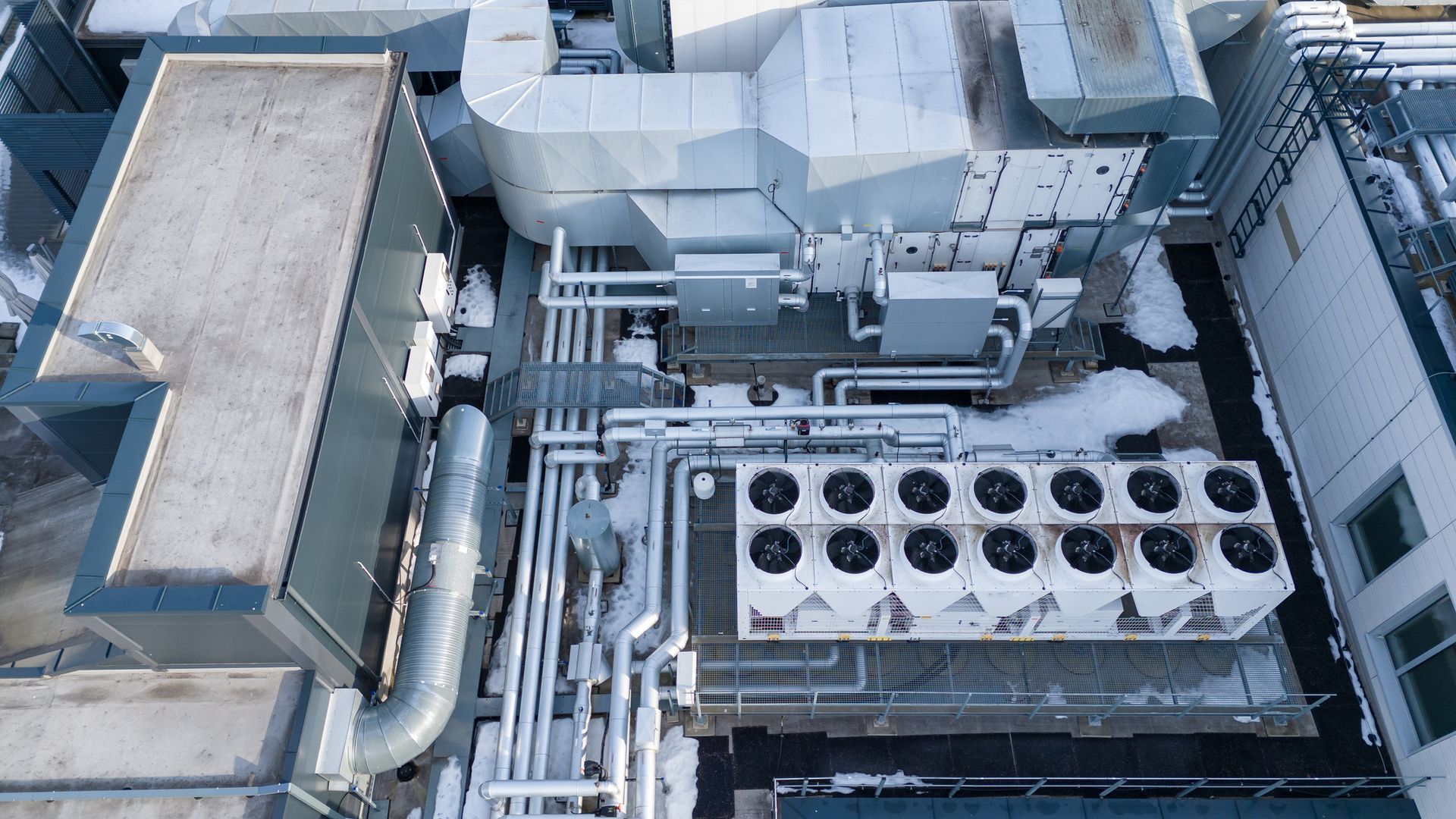
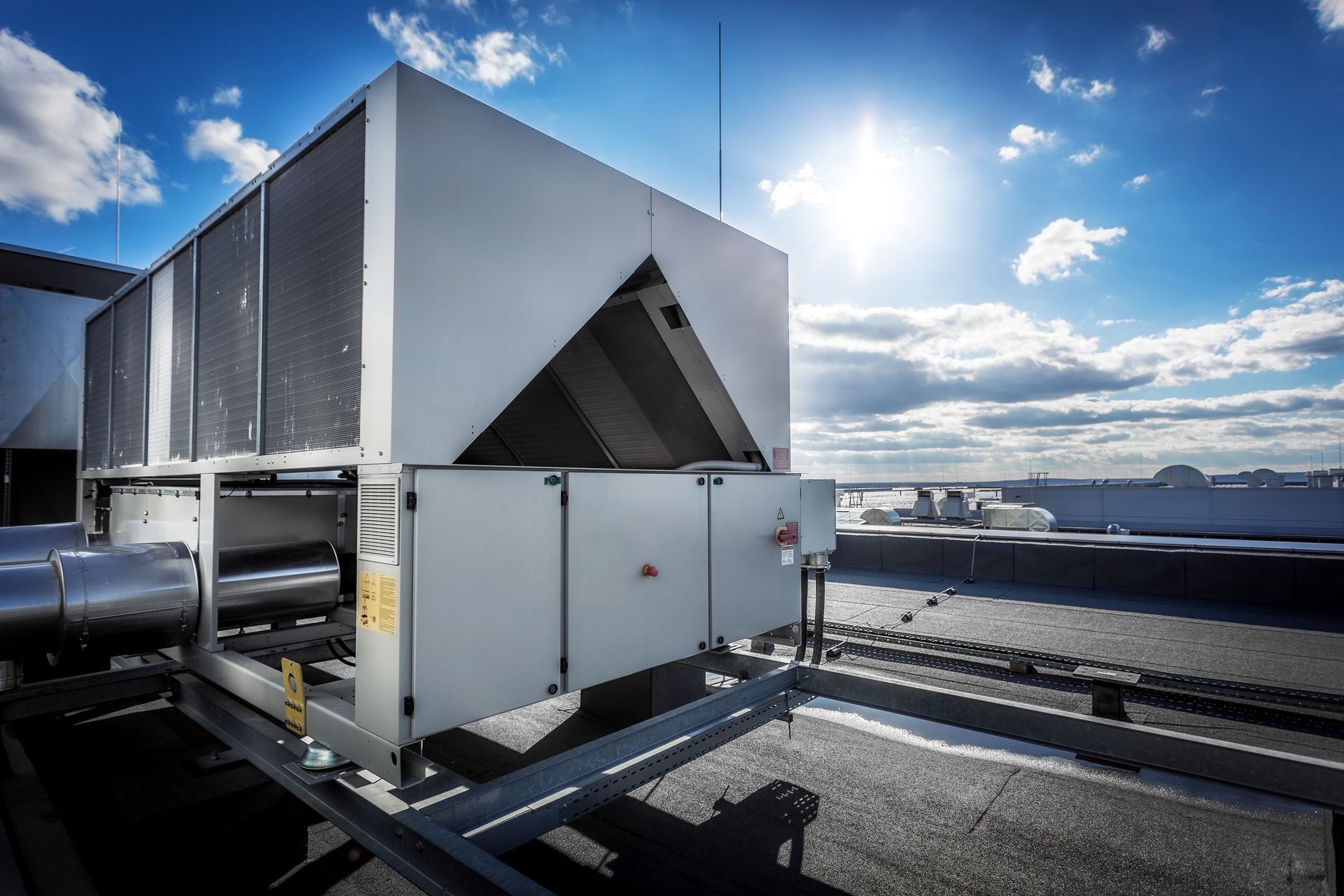
Rooftop HVAC equipment on a commercial building; includes ductwork, air handlers, and cooling units. Snow present.
November 11, 2025
Keep your commercial heating system efficient with expert maintenance tips that cut energy costs, prevent breakdowns, and extend equipment life.
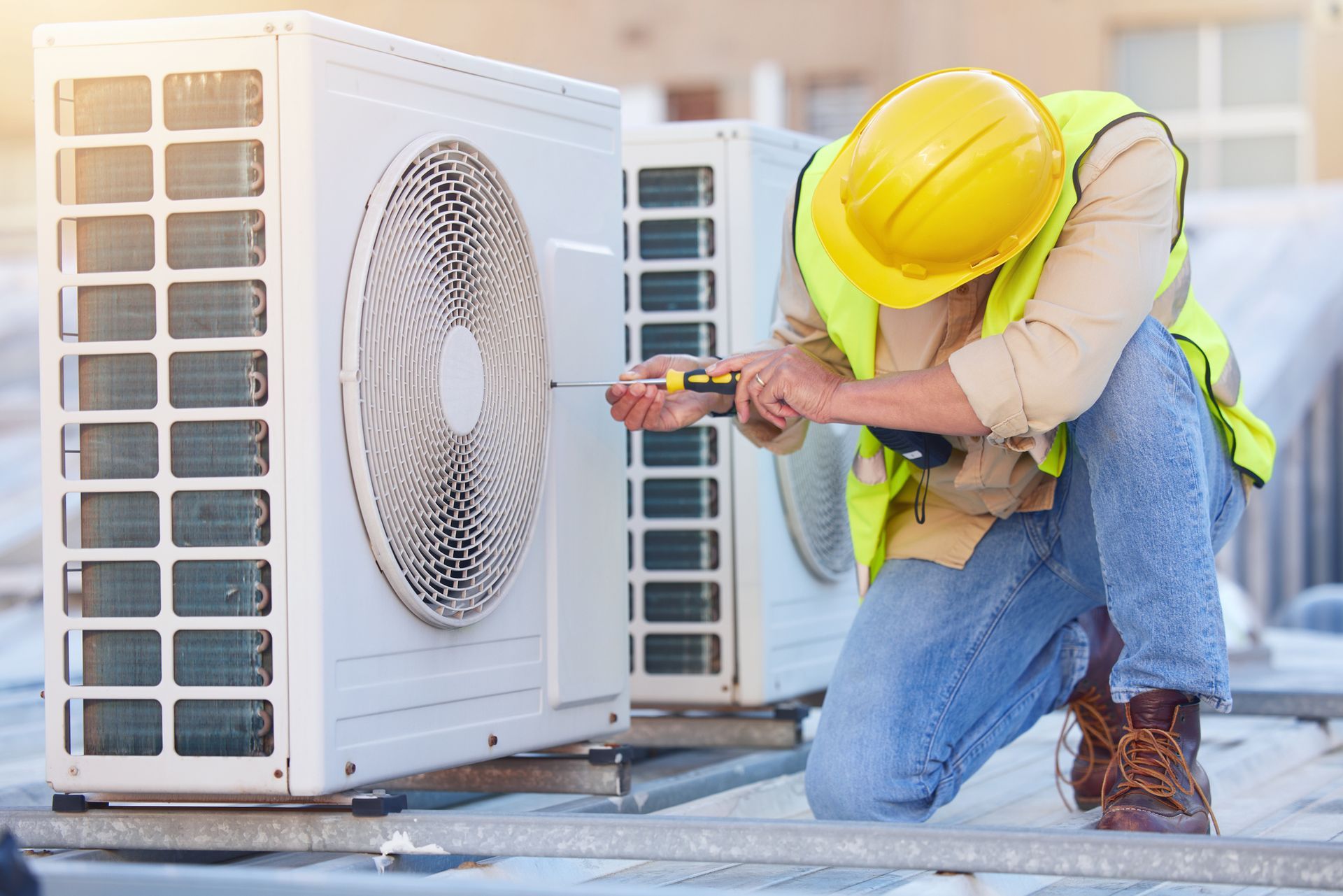
HVAC technician in a yellow helmet and vest kneels to work on an air conditioning unit outdoors.
October 9, 2025
Discover when to repair vs replace your commercial heating system. Get expert HVAC guidance, reduce energy costs, and extend equipment life with Evolution Maintenance.
Reflective glass building, blue sky, trees and patchy snow on the ground.
September 8, 2025
As the seasons change, facility managers and business owners face new challenges in keeping their buildings safe, comfortable, and energy-efficient.
checklist
August 8, 2025
Wrap up the season with this end-of-summer HVAC checklist for business owners. Boost system efficiency, reduce costs, and get ready for cooler weather with expert tips.
commercial hvac system in summer
July 11, 2025
Discover practical tips to keep your commercial HVAC system efficient during peak summer heat. Lower energy costs, prevent breakdowns, and extend system life.
A row of air conditioners on the roof of a building with a blue sky and clouds in the background.
June 9, 2025
How to prepare your commercial HVAC system for summer!