Why HVAC Maintenance is Important

Evolution Maintenance

Facilities management and heating and cooling industry publications and experts from HVACmaintenance.org, EnergySTAR, and the EPA agree on the importance of scheduling regular preventative maintenance for your commercial enterprise’s HVAC systems.


HERE ARE A FEW OF THE MOST COMPELLING REASONS FOR SCHEDULING ROUTINE, PREVENTATIVE HVAC MAINTENANCE:

HIGHER EFFICIENCY, LOWER ENERGY BILLS

Let’s start with one of the most compelling reasons for keeping your HVAC systems in top condition: saving money. If your HVAC systems aren’t running at maximum efficiency, then your unit will work harder to produce the desired temperatures. Furthermore, if your systems are working harder, they’re using more energy—and energy costs money.


A reputable HVAC maintenance contractor will provide the following services to ensure your HVAC system is running at peak efficiency:

Full mechanical and systems audit

Filter replacement

Checking the condition of belts and pulleys and replacing as needed

Clearing drain lines and pans

Checking electrical connections

Adjusting fans and blower motors as needed

Inspecting ignition and burners

Lubricating motors and moving parts

Inspection of thermostats and controls

Inspection of heat exchangers

Cleaning of condensers and evaporator coils

Checking air flow


FEWER SERVICE CALLS

Establishing a preventative maintenance schedule for your heating and cooling systems saves on repair bills, and makes life run a little more smoothly. Routine maintenance can minimize long-term costs and deliver a better ROI for facilities managers and building owners.


FEWER EMERGENCY REPAIRS

A well-maintained heating and cooling system is much, much less likely to fall victim to sudden failure. And there’s nothing that facility managers dread more than emergency HVAC service calls. A properly tuned unit keeps your employees, clients, and inventory safe while protecting your facility’s budget.


LONGER EQUIPMENT LIFE

If HVAC systems are regularly cleaned, lubricated, and inspected, and are running smoothly at maximum efficiency, then they’re going to last longer. One small, malfunctioning component can cause strain on the unit, trigger secondary failures, and result in a system shut down. Preventative HVAC maintenance prevents this nasty domino effect, and buys you more time with your existing system.


FEWER SICK DAYS

An improperly cleaned ventilation system can quickly become a toxic breeding ground for bacteria and mold, which may cause or exacerbate respiratory infections and allergies. While this is a difficult figure to quantify on facilities spreadsheets, productivity is critical to an industry’s bottom line.


SAFER EQUIPMENT

HVAC systems have the potential to leak toxic carbon monoxide into the air and electrical short circuits present very real fire hazards. Routine system maintenance keeps these deadly possibilities at bay.


WARRANTY PROTECTION

For newer systems, routine maintenance makes great sense. In many cases, the unit will be under warranty, and the part or component may be fully covered.


To ensure the air inside your commercial facility is healthy, and temperatures are comfortable, schedule an HVAC preventative maintenance appointment with Evolution Maintenance today. 

EVOLUTION MAINTENANCE COMMERCIAL HVAC BLOG
February 11, 2026
Warmer days are coming. Make sure your commercial HVAC system is ready to perform. efficient, reliable, and cost-effective. As winter fades and temperatures begin to rise, your commercial HVAC system is about to work in a whole new way. After months of heating demand, spring brings fluctuating temperatures, higher humidity, and increased cooling needs. If your system is not properly prepared, you could face higher energy bills, reduced comfort, and unexpected breakdowns right when your business needs reliability most. Preparing your commercial HVAC system for spring is not just routine maintenance. It is a proactive strategy to protect your equipment, control operating costs, and create a comfortable environment for employees and customers. Here is how to get your system ready. 1. Schedule a Comprehensive System Inspection A professional inspection is the foundation of seasonal preparation. During winter, HVAC systems endure heavy use. Components can loosen, wear down, or accumulate debris. A spring inspection should include: Checking refrigerant levels and inspecting for leaks Testing thermostat calibration and controls Inspecting electrical connections and components Examining belts, motors, and moving parts for wear Verifying proper airflow throughout the system Identifying small issues early prevents them from turning into costly repairs during peak cooling season. 2. Replace or Clean Air Filters Air filters often become clogged during winter months due to continuous operation. Dirty filters restrict airflow, reduce efficiency, and strain your system. Replacing or cleaning filters: Improves indoor air quality Enhances system performance Reduces energy consumption Extends equipment lifespan For commercial properties, this simple step can significantly impact comfort and operating costs. 3. Clean Coils and Condenser Units Outdoor condenser units accumulate dirt, leaves, and debris throughout fall and winter. Evaporator and condenser coils can also collect buildup that reduces heat transfer efficiency. Cleaning these components allows your system to cool more effectively and prevents overheating. Clear space around outdoor units to ensure proper airflow and optimal performance. 4. Test Cooling Performance Early Do not wait for the first hot day to discover a problem. Run your cooling system in advance to ensure it is operating properly. Listen for unusual sounds, monitor temperature consistency, and verify that all zones respond correctly. Testing early gives you time to address issues before demand increases and service schedules fill up. 5. Evaluate Energy Efficiency Spring is an ideal time to review your building's energy performance. Consider: Reviewing past utility bills for unusual increases Inspecting ductwork for leaks Confirming programmable thermostats are set correctly Assessing whether older equipment may need upgrading Improving efficiency now can lower your cooling costs all summer long. 6. Check Drain Lines and Humidity Controls As humidity rises in spring, proper drainage becomes critical. Clogged condensate drain lines can lead to water damage, mold growth, and system shutdowns. Ensure drain lines are clear and humidity controls are functioning properly to maintain a healthy indoor environment. Why Spring HVAC Preparation Matters Unexpected HVAC downtime can disrupt operations, impact employee productivity, and create an uncomfortable experience for customers. Preventive maintenance protects your investment and ensures your system performs when you need it most. A well-maintained commercial HVAC system: Operates more efficiently Lasts longer Breaks down less frequently Maintains consistent indoor comfort Spring preparation is not just about maintenance. It is about protecting your business. Ready to Get Your Commercial HVAC System Spring-Ready? Do not wait until rising temperatures expose hidden issues. Schedule your professional spring HVAC inspection today and ensure your system is prepared for the season ahead. Contact our team now to book your commercial HVAC spring maintenance service and keep your business comfortable, efficient, and running without interruption. Contact us today to schedule a professional HVAC inspection and start turning long-term efficiency into real, measurable savings.
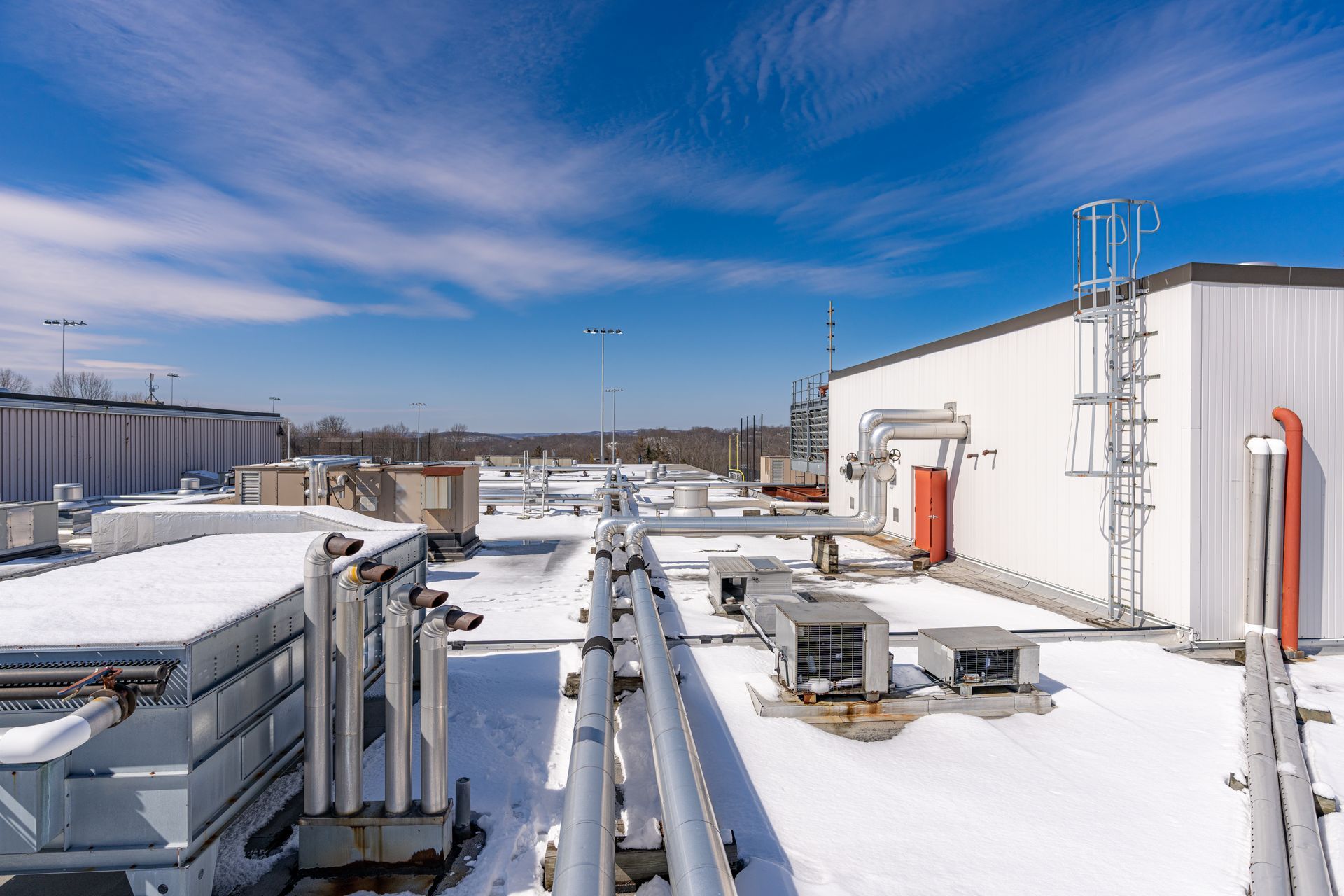
Rooftop with snow, equipment, and a white building against a blue sky with clouds.
January 15, 2026
Prepare your commercial heating system for extreme cold with inspections, maintenance tips, and prevention strategies to avoid breakdowns and costly downtime.
Snow-covered tree branches in front of a modern glass skyscraper on a clear, blue day.
December 15, 2025
Discover 5 practical energy-saving tips for large buildings that reduce operating costs, boost efficiency, and create more comfortable spaces for occupants.
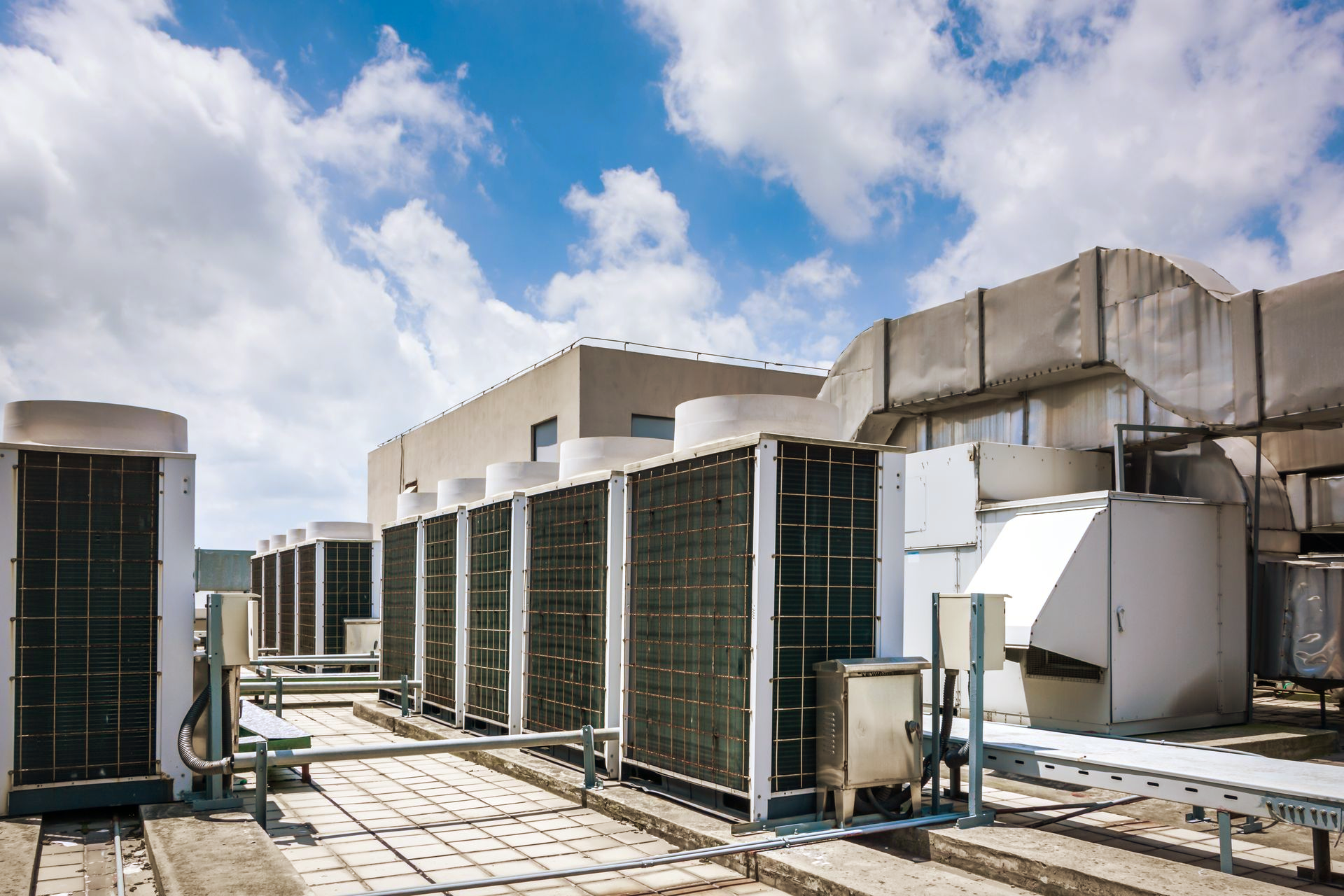
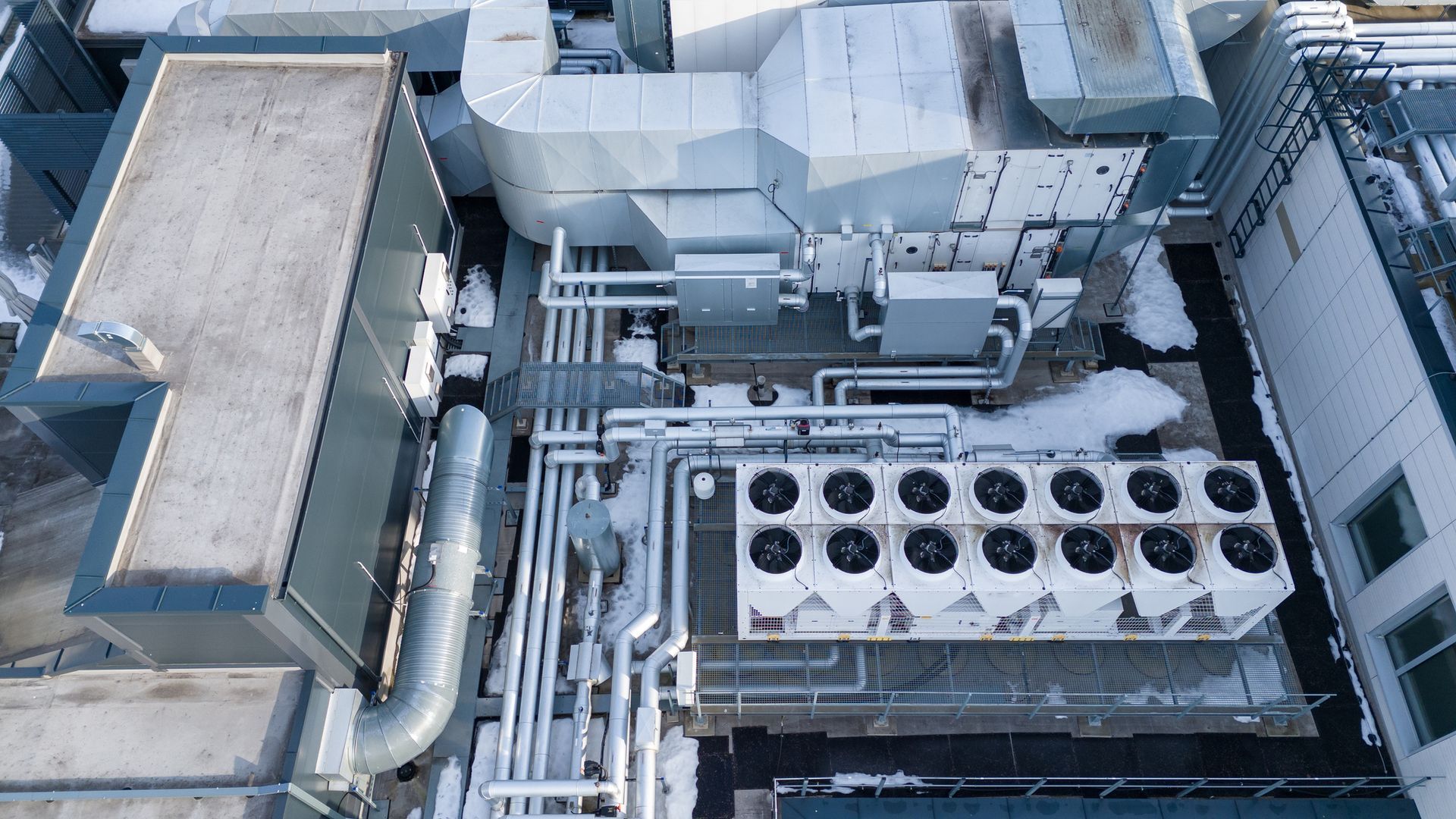
Rooftop HVAC equipment on a commercial building; includes ductwork, air handlers, and cooling units. Snow present.
November 11, 2025
Keep your commercial heating system efficient with expert maintenance tips that cut energy costs, prevent breakdowns, and extend equipment life.
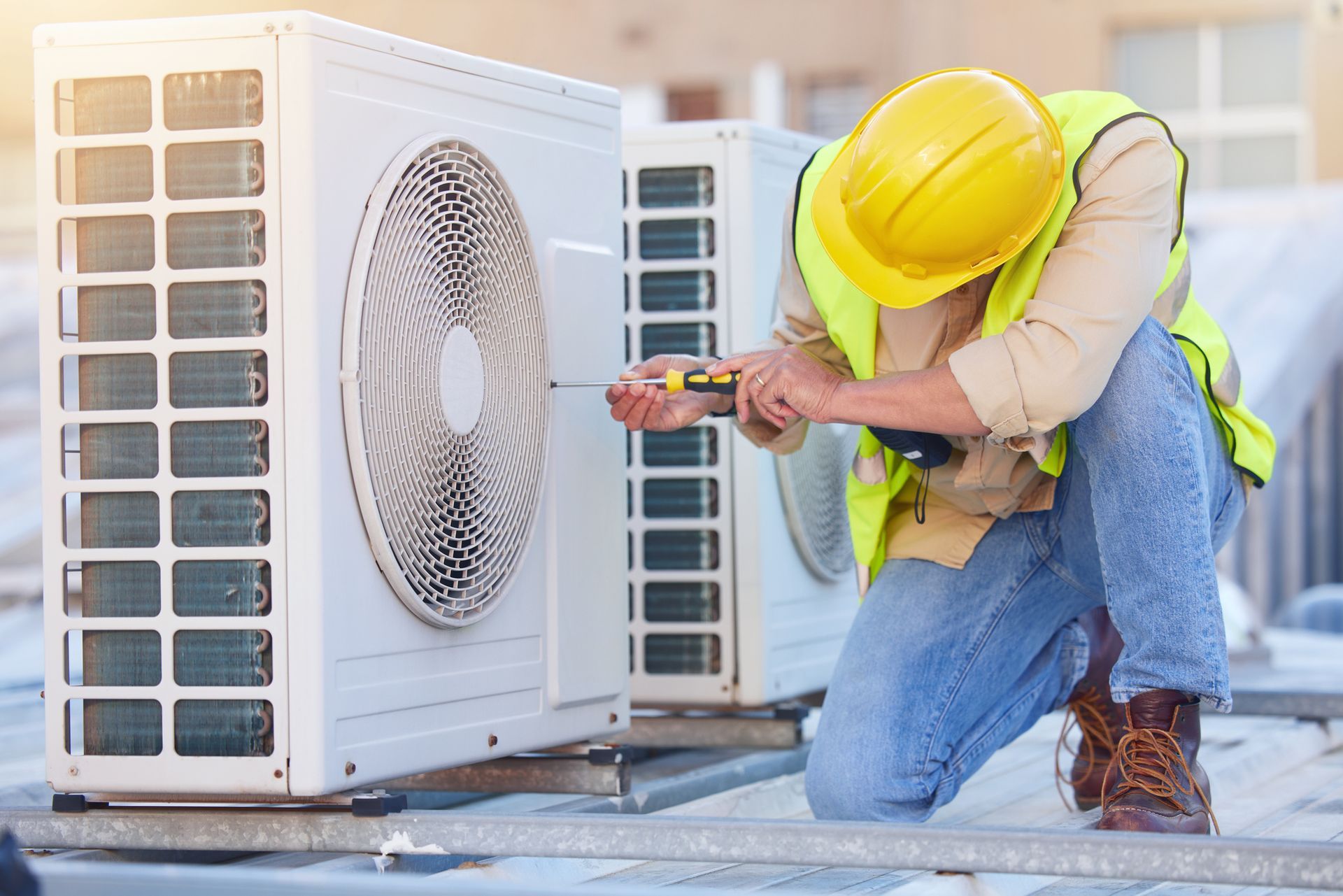
HVAC technician in a yellow helmet and vest kneels to work on an air conditioning unit outdoors.
October 9, 2025
Discover when to repair vs replace your commercial heating system. Get expert HVAC guidance, reduce energy costs, and extend equipment life with Evolution Maintenance.
Reflective glass building, blue sky, trees and patchy snow on the ground.
September 8, 2025
As the seasons change, facility managers and business owners face new challenges in keeping their buildings safe, comfortable, and energy-efficient.
checklist
August 8, 2025
Wrap up the season with this end-of-summer HVAC checklist for business owners. Boost system efficiency, reduce costs, and get ready for cooler weather with expert tips.
commercial hvac system in summer
July 11, 2025
Discover practical tips to keep your commercial HVAC system efficient during peak summer heat. Lower energy costs, prevent breakdowns, and extend system life.
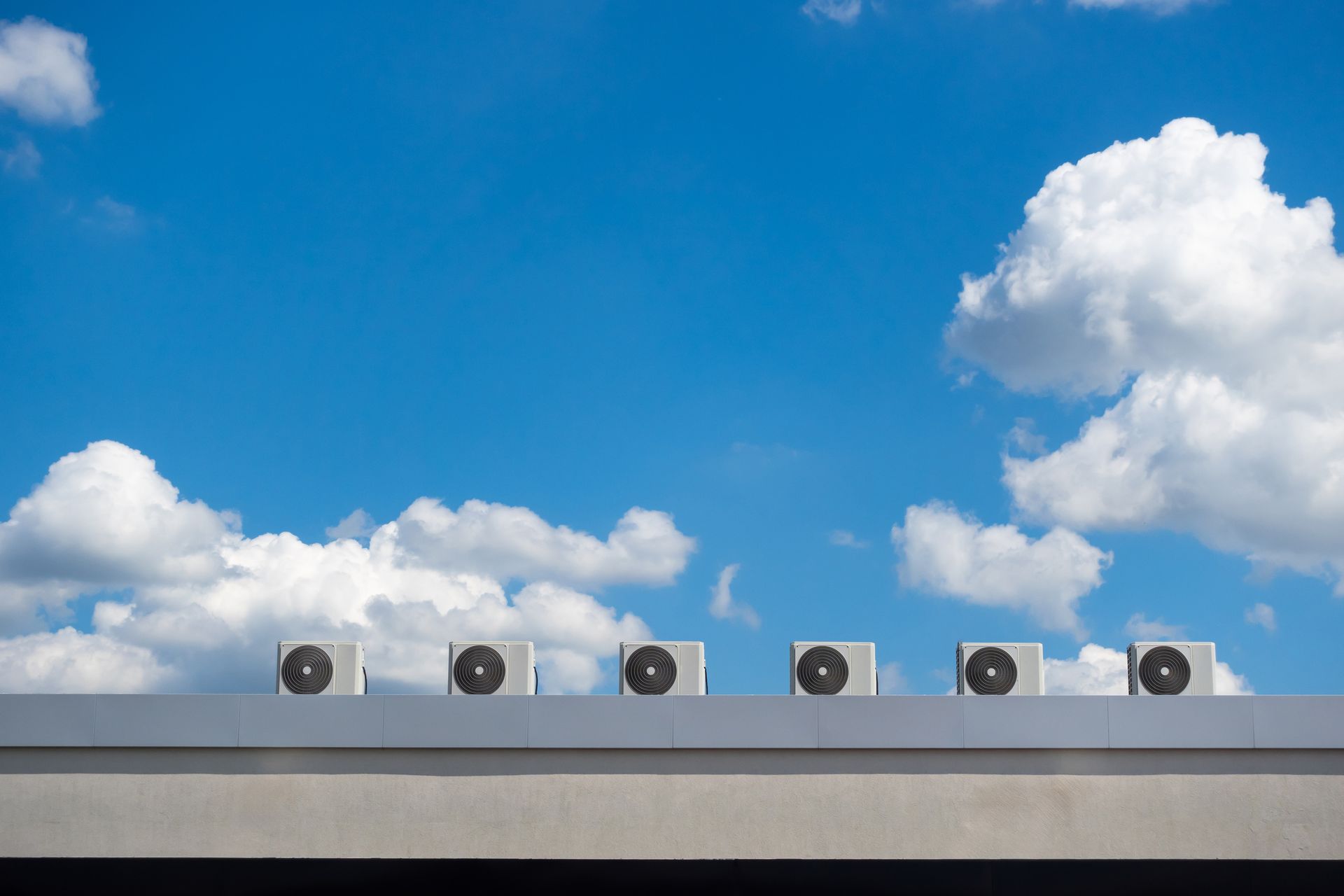
A row of air conditioners on the roof of a building with a blue sky and clouds in the background.
June 9, 2025
How to prepare your commercial HVAC system for summer!
commercial hvac
May 12, 2025
5 Signs Your Commercial HVAC System Needs Immediate Attention Your commercial HVAC system is the heart of your business's comfort and operational efficiency. When it's working properly, you barely notice it. But when something goes wrong, it can create a costly disruption—impacting everything from employee productivity to customer satisfaction. Recognizing early signs of HVAC problems can help you avoid expensive emergency HVAC repairs or complete system replacements. Here are five warning signs you should never ignore. 1. Unusual Noises Commercial HVAC systems typically run quietly in the background. If you start hearing banging, clanging, squealing, or grinding noises, it's a clear signal that something is wrong. Possible causes: Loose parts, worn bearings, motor issues. Why it matters: Ignoring unusual sounds can lead to major component failures and higher repair costs. If your HVAC system suddenly sounds like it's struggling, it’s time to schedule an immediate inspection with a trusted commercial HVAC maintenance provider like Evolution Maintenance. 2. Inconsistent Temperatures Are some rooms freezing cold while others feel stuffy and warm? Uneven heating or cooling is more than just an inconvenience—it’s a red flag. Possible causes: Blocked vents, failing compressors, thermostat malfunctions, or ductwork problems. Why it matters: Temperature inconsistencies strain your system and drive up energy bills. Properly diagnosing and fixing these issues early prevents unnecessary energy waste and discomfort for employees and customers alike. 3. Sudden Spike in Energy Bills If your utility bills have shot up without a clear explanation, your HVAC system may be working harder than it should. Possible causes: Dirty coils, clogged filters, refrigerant leaks, or malfunctioning parts. Why it matters: High energy consumption means your system isn’t running efficiently, costing your business money month after month. Scheduling regular commercial HVAC inspections can help pinpoint inefficiencies before they become long-term financial drains. 4. Frequent Cycling If your HVAC system is constantly turning on and off (known as "short cycling"), it's struggling to maintain the desired temperature. Possible causes: Thermostat issues, refrigerant leaks, oversized equipment, or electrical malfunctions. Why it matters: Short cycling stresses your system, causing faster wear and higher repair costs. This behavior can significantly shorten the lifespan of your HVAC unit if not addressed quickly through professional HVAC servicing.\ 5. Poor Indoor Air Quality Bad smells, excessive dust, or a sudden rise in allergy symptoms among employees could point to HVAC system problems. Possible causes: Mold growth, dirty filters, clogged ducts, or stagnant moisture. Why it matters: Poor indoor air quality not only affects health but can also open your business to liability issues and customer complaints. An experienced commercial HVAC technician can assess and resolve indoor air quality problems to keep your environment safe and inviting. Don’t Wait—Protect Your Investment Delaying action when your commercial HVAC system shows warning signs can lead to higher repair costs, lost business, and even complete system failure. Being proactive is key.  At Evolution Maintenance, we specialize in rapid response and preventative care for commercial systems of all sizes. If you notice any of these warning signs, don’t hesitate—contact us today for an immediate assessment and expert repair services.