Is It Time To Replace Your Commercial Ice Machine?
Evolution Maintenance
Thinking about replacing your commercial ice machine? There are plenty of reasons for your commercial ice maker to stop making ice. Believe it or not, the process of freezing water is tougher than it seems. However, before you put in a purchase order in for a new ice machine, it’s worth determining whether or not a repair is in the cards.
Is your commercial ice maker ready for the salvage yard or salvageable?
TROUBLESHOOTING YOUR COMMERCIAL ICE MACHINE
After running the obvious power and water supply checks, consider the following:
HOW HOT IS IT IN THERE?
If your ice maker is struggling to keep up with the demands of your commercial kitchen, or you suspect that heat is pocketing dangerously around the machine, take a temperature reading. If temperatures are routinely topping 90 degrees, ice machine production can drop dramatically. When ambient temperatures are too high, water temperatures increase accordingly and ice machines work exponentially harder to cool water to acceptable levels for ice making.
As an added bonus, cooling your work space sufficiently not only aids in ice production, but it also helps keeps your employees happy and food supplies stable.
On the off chance you’re already looking to purchase an ice machine, it’s wise to keep typical working temperatures in mind and to consider purchasing a machine that makes more ice than you think you’ll need.
IS THERE ENOUGH BREATHING ROOM FOR YOUR ICE MACHINE?
Space is at a premium for most kitchens and commercial retail spaces, however, even ice machines need a little elbow room. Air cooled ice machine heads and under counter ice makers need at least six inches of clearance for optimal airflow and ice making.
IS YOUR COMPRESSOR WORKING OVERTIME?
If this is the case, it may be time to throw in the towel. The experts at The News have this very common-sense advice for business owners: “If there are major problems with the compressor, metering device, controls, etc., and the machine is old enough that the owner wants to replace it instead of paying for major repairs on an old machine, the descaling procedure might turn out to be a waste of time.”
HAVE YOU CLEANED YOUR MACHINE RECENTLY?
If you’ve heard the horror stories about dirty ice, then your customers have too. Do yourself a favor and routinely clean your machine and replace the filter. Not only will scale, microscopic mineral deposits, cause your commercial ice machine work less efficiently, it’s one of the most common causes of ice machine failure. Always clean your machine using Federal Food Code standards. Check the machine manufacturer recommendations and clean accordingly. To minimize scale build-up, replace the filter every six months, at minimum. Scale can be safely removed with specially formulated removal products.
IS THE CONDENSER CLEAN?
If the condenser coils are dusty, oily, or otherwise grimy, warm air cannot be effectively filtered out and away from your machine. Heat, obviously, is the enemy of ice. Dust is easy to wipe away with a damp cloth. Grease is a little tougher and may require a chemical or specially formulated cleaning solution if the situation is particularly dire.
IS IT TIME FOR A SERVICE CALL?
While managers and business owners can certainly perform basic troubleshooting procedures, ice machines are complicated and sensitive industry-specific equipment. Arens Publications encourages entrepreneurs to “…Have your ice machines serviced annually by a professional. The experts are able to tune-up your equipment and be proactive about fixing any existing issues to make sure that not only is your machine working properly, but also so you don’t face any future breakdowns when least expected.”
For commercial ice machine service, maintenance, and installation contact
Evolution Maintenance today at (615)-649-0622.
EVOLUTION MAINTENANCE COMMERCIAL HVAC BLOG
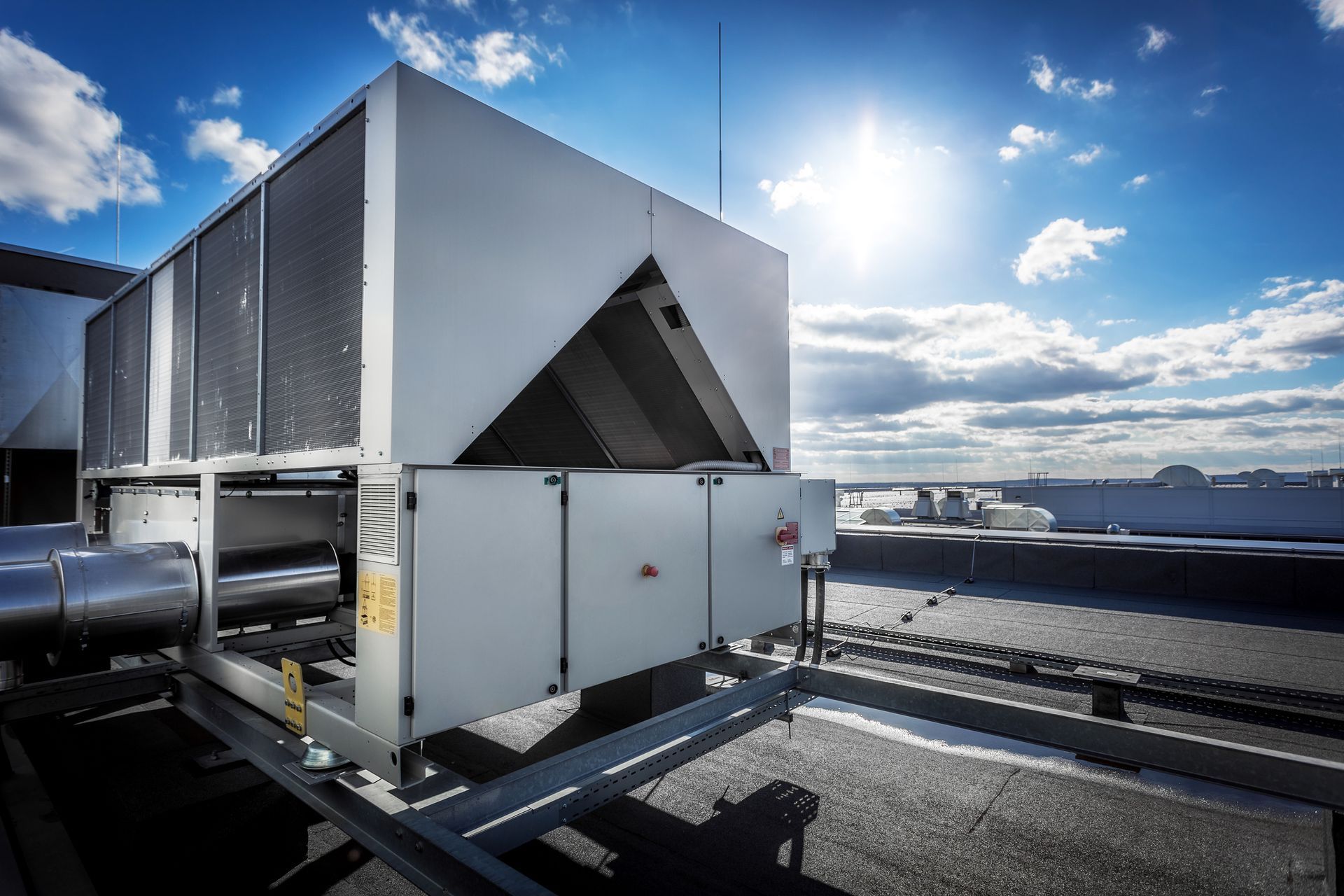
Commercial HVAC inefficiencies can drive up summer energy costs. Learn how preventive maintenance helps reduce utility bills, improve performance, and prevent costly breakdowns.
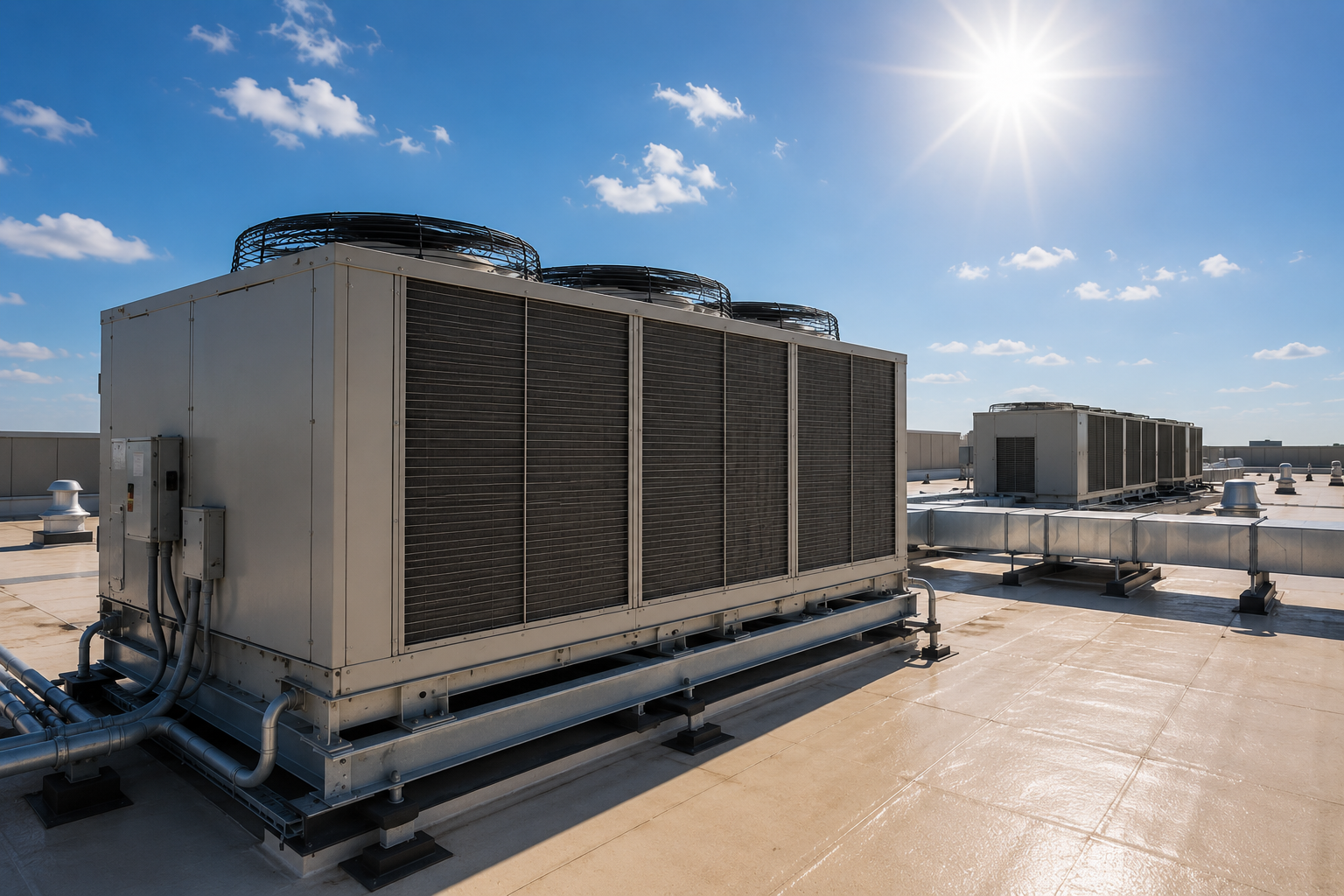
Small HVAC issues become costly summer emergencies fast. Here's why commercial property owners should act before peak heat arrives. When temperatures rise, commercial HVAC systems don't get a second chance. The units that were "getting by" in spring are suddenly pushed to maximum demand day after day. That's when hidden issues turn into costly failures. For commercial property owners and facility managers, summer HVAC problems create more than discomfort. They lead to tenant complaints, emergency repair costs, productivity issues, and sometimes even temporary business interruptions. The good news? Most major HVAC failures give warning signs long before they happen. A mid-year commercial HVAC inspection helps catch worn components, airflow restrictions, refrigerant issues, and efficiency losses before they turn into expensive downtime during the hottest part of the year. Why Summer Failures Cost More Emergency HVAC repairs during peak summer season are almost always more expensive. Parts availability becomes limited, technician schedules fill quickly, and after-hours service calls add unexpected costs. Even worse, a failing system works harder and consumes more energy long before it completely breaks down. That means your building may already be losing money through inefficient operation without anyone realizing it. Common mid-season HVAC issues include: Dirty condenser coils reducing efficiency Low refrigerant levels Failing capacitors and electrical components Airflow imbalances Thermostat calibration problems Clogged drain lines causing moisture issues Worn belts and motors nearing failure Identifying these early often turns a major repair into a manageable maintenance visit. The Hidden Cost of Tenant Complaints For commercial properties, HVAC performance directly impacts tenant satisfaction. Hot offices, inconsistent temperatures, poor airflow, or humidity problems can quickly create frustration among tenants and employees. In some cases, repeated comfort complaints can even impact lease renewals and tenant retention. Preventative HVAC service is not just about equipment - it's about protecting the overall experience inside your building. Efficiency Matters More Than Ever Energy costs continue to fluctuate, and inefficient HVAC systems can quietly drive utility bills higher every month. A properly maintained commercial system operates more efficiently, reduces unnecessary strain on equipment, and helps extend the lifespan of critical components. Routine inspections also help property owners plan ahead for future upgrades instead of reacting to surprise failures under pressure. The Best Time to Prevent a Breakdown Is Before the Heat Peaks Once temperatures spike, HVAC companies move into emergency-response mode. Scheduling becomes tighter and wait times increase. Property owners who act early have more flexibility, lower risk, and more time to make informed repair decisions before problems become urgent. Protect Your Building Before Peak Summer Heat Arrives Don't wait for a system failure to find out your HVAC equipment needed attention. A proactive commercial HVAC inspection can help reduce costly breakdowns, improve efficiency, and keep tenants comfortable all season long. Schedule your commercial HVAC inspection with Evolution Maintenance today and avoid the stress, cost, and downtime that come with waiting. Reach out to Evolution Maintenance now to secure your spot and keep your building running efficiently all season long.
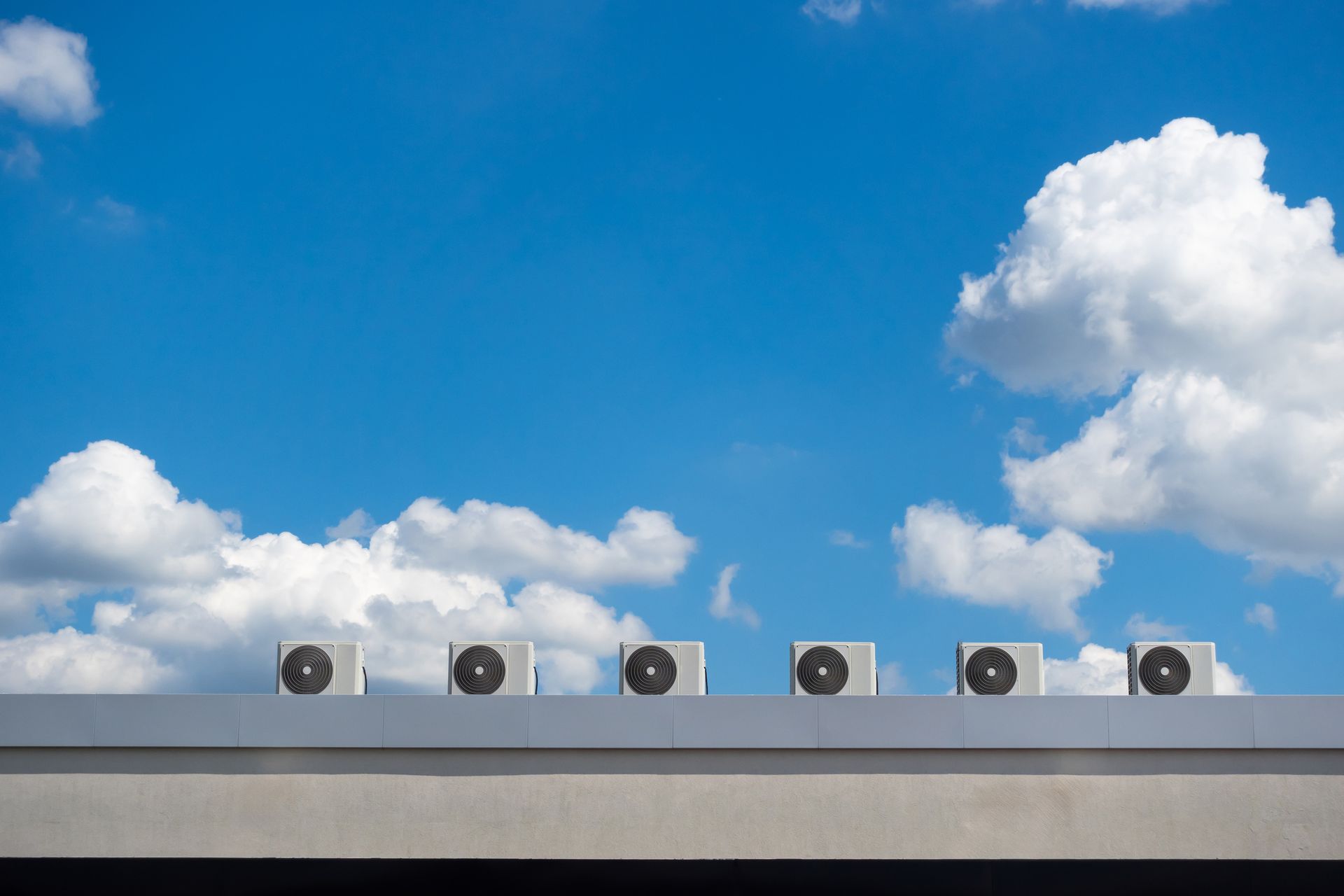
Prepare your commercial HVAC system for summer with April maintenance. Improve efficiency, avoid breakdowns, and reduce costly repairs before peak season.

Spring HVAC maintenance helps commercial buildings improve efficiency, prevent breakdowns, and prepare systems for warmer weather and seasonal demand.
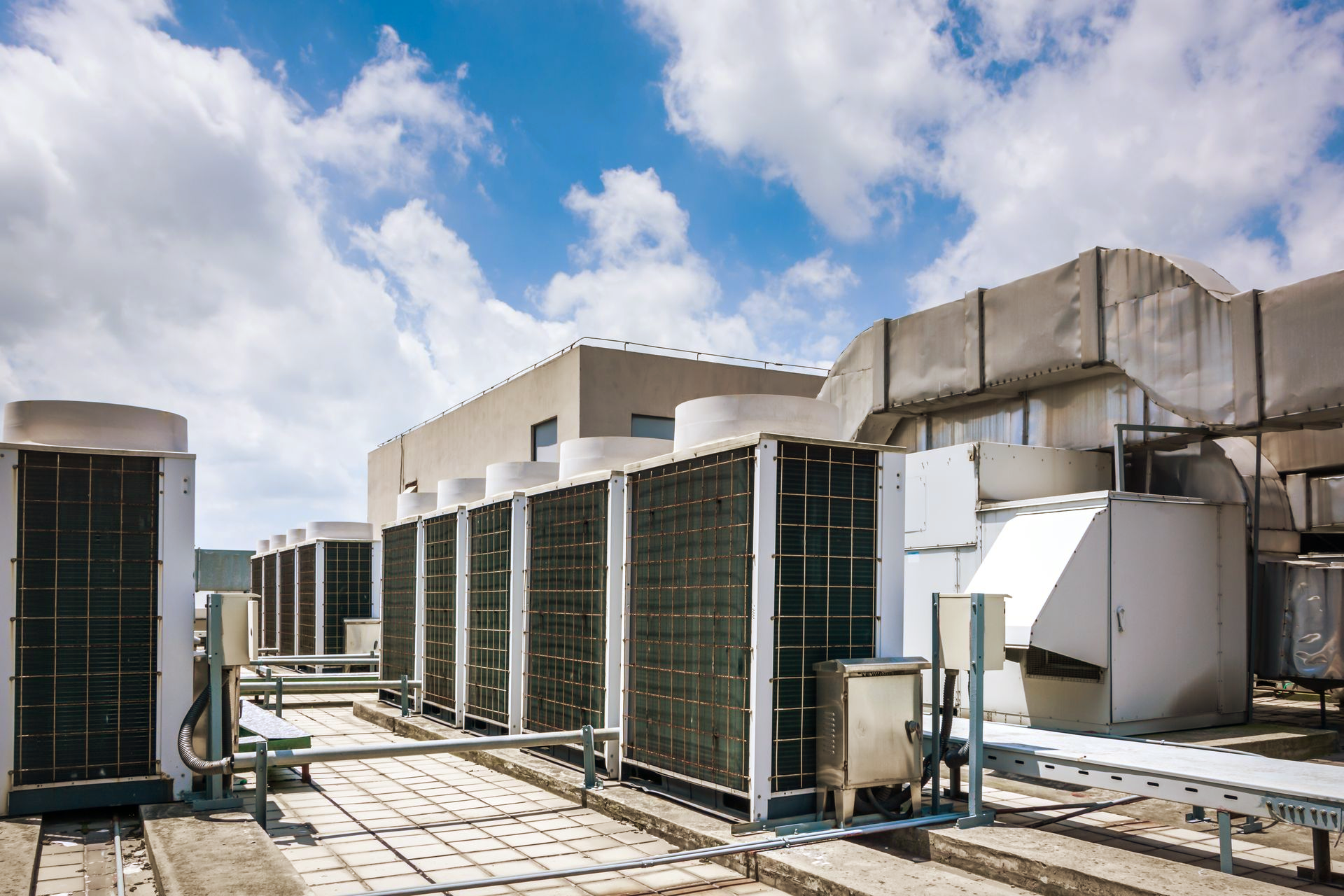
Warmer days are coming. Make sure your commercial HVAC system is ready to perform. efficient, reliable, and cost-effective. As winter fades and temperatures begin to rise, your commercial HVAC system is about to work in a whole new way. After months of heating demand, spring brings fluctuating temperatures, higher humidity, and increased cooling needs. If your system is not properly prepared, you could face higher energy bills, reduced comfort, and unexpected breakdowns right when your business needs reliability most. Preparing your commercial HVAC system for spring is not just routine maintenance. It is a proactive strategy to protect your equipment, control operating costs, and create a comfortable environment for employees and customers. Here is how to get your system ready. 1. Schedule a Comprehensive System Inspection A professional inspection is the foundation of seasonal preparation. During winter, HVAC systems endure heavy use. Components can loosen, wear down, or accumulate debris. A spring inspection should include: Checking refrigerant levels and inspecting for leaks Testing thermostat calibration and controls Inspecting electrical connections and components Examining belts, motors, and moving parts for wear Verifying proper airflow throughout the system Identifying small issues early prevents them from turning into costly repairs during peak cooling season. 2. Replace or Clean Air Filters Air filters often become clogged during winter months due to continuous operation. Dirty filters restrict airflow, reduce efficiency, and strain your system. Replacing or cleaning filters: Improves indoor air quality Enhances system performance Reduces energy consumption Extends equipment lifespan For commercial properties, this simple step can significantly impact comfort and operating costs. 3. Clean Coils and Condenser Units Outdoor condenser units accumulate dirt, leaves, and debris throughout fall and winter. Evaporator and condenser coils can also collect buildup that reduces heat transfer efficiency. Cleaning these components allows your system to cool more effectively and prevents overheating. Clear space around outdoor units to ensure proper airflow and optimal performance. 4. Test Cooling Performance Early Do not wait for the first hot day to discover a problem. Run your cooling system in advance to ensure it is operating properly. Listen for unusual sounds, monitor temperature consistency, and verify that all zones respond correctly. Testing early gives you time to address issues before demand increases and service schedules fill up. 5. Evaluate Energy Efficiency Spring is an ideal time to review your building's energy performance. Consider: Reviewing past utility bills for unusual increases Inspecting ductwork for leaks Confirming programmable thermostats are set correctly Assessing whether older equipment may need upgrading Improving efficiency now can lower your cooling costs all summer long. 6. Check Drain Lines and Humidity Controls As humidity rises in spring, proper drainage becomes critical. Clogged condensate drain lines can lead to water damage, mold growth, and system shutdowns. Ensure drain lines are clear and humidity controls are functioning properly to maintain a healthy indoor environment. Why Spring HVAC Preparation Matters Unexpected HVAC downtime can disrupt operations, impact employee productivity, and create an uncomfortable experience for customers. Preventive maintenance protects your investment and ensures your system performs when you need it most. A well-maintained commercial HVAC system: Operates more efficiently Lasts longer Breaks down less frequently Maintains consistent indoor comfort Spring preparation is not just about maintenance. It is about protecting your business. Ready to Get Your Commercial HVAC System Spring-Ready? Do not wait until rising temperatures expose hidden issues. Schedule your professional spring HVAC inspection today and ensure your system is prepared for the season ahead. Contact our team now to book your commercial HVAC spring maintenance service and keep your business comfortable, efficient, and running without interruption. Contact us today to schedule a professional HVAC inspection and start turning long-term efficiency into real, measurable savings.
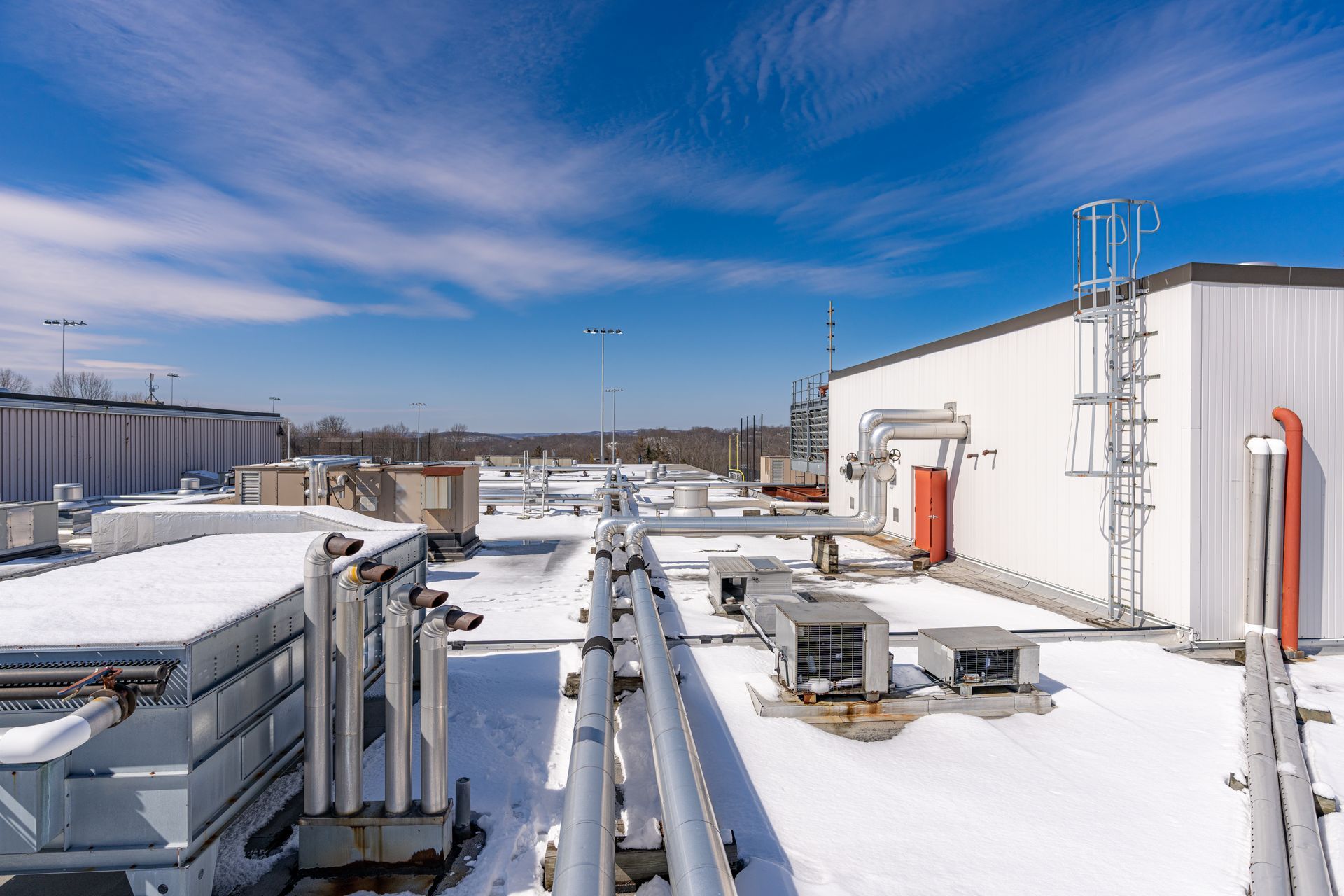
Prepare your commercial heating system for extreme cold with inspections, maintenance tips, and prevention strategies to avoid breakdowns and costly downtime.

Discover 5 practical energy-saving tips for large buildings that reduce operating costs, boost efficiency, and create more comfortable spaces for occupants.
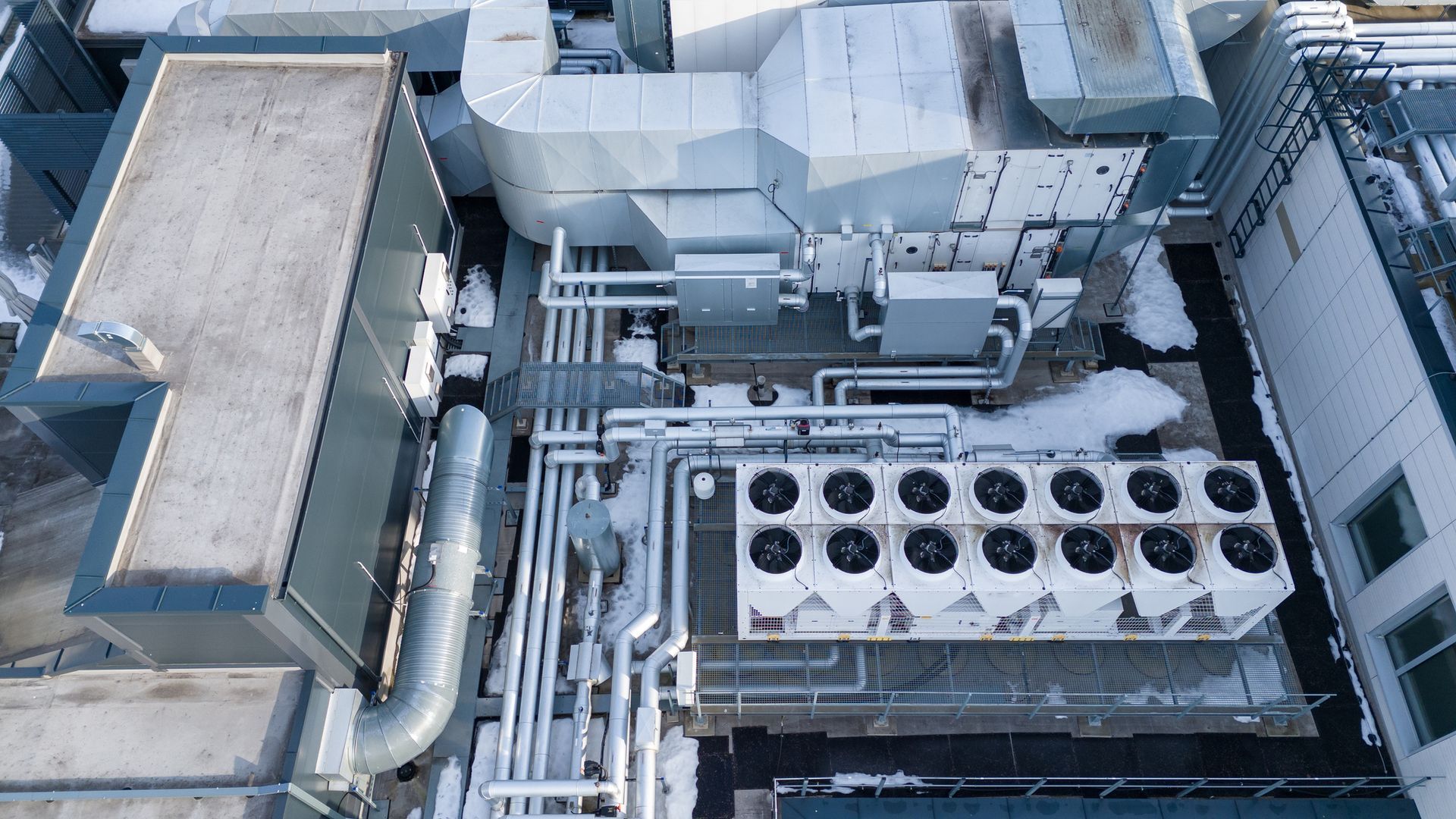
Keep your commercial heating system efficient with expert maintenance tips that cut energy costs, prevent breakdowns, and extend equipment life.
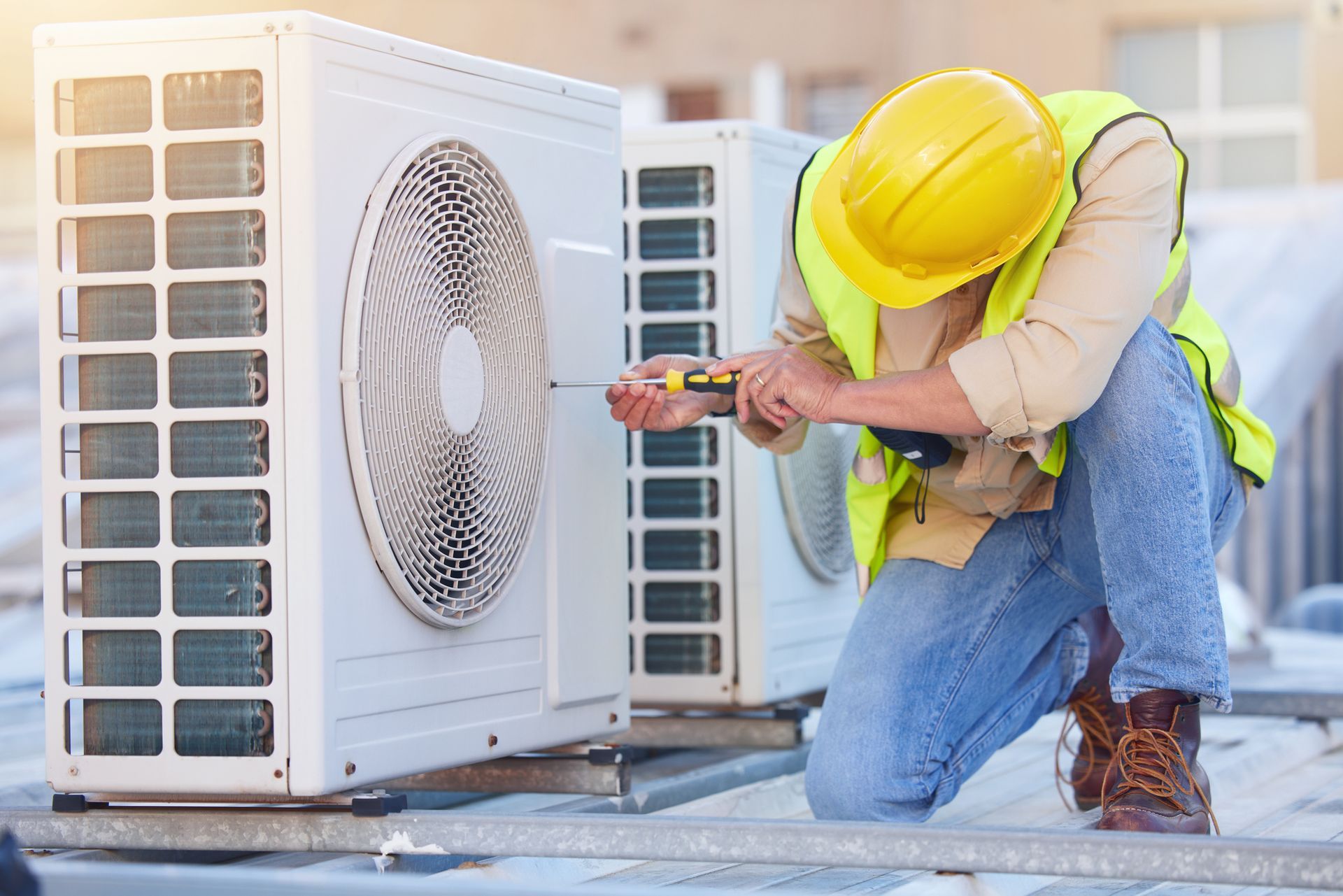
Discover when to repair vs replace your commercial heating system. Get expert HVAC guidance, reduce energy costs, and extend equipment life with Evolution Maintenance.
As the seasons change, facility managers and business owners face new challenges in keeping their buildings safe, comfortable, and energy-efficient.